
New Jersey Killed Route 55 Once. Now Trenton Is Talking About It Again
For more than half a century, the question of extending Route 55 deeper into South Jersey has resurfaced time and again. While state officials recently declared the highway expansion dead, new comments from Trenton suggest the long dormant proposal may once again be under discussion.
To understand why Route 55 continues to return to the spotlight, it helps to look at how the road was built and why it stops where it does today.
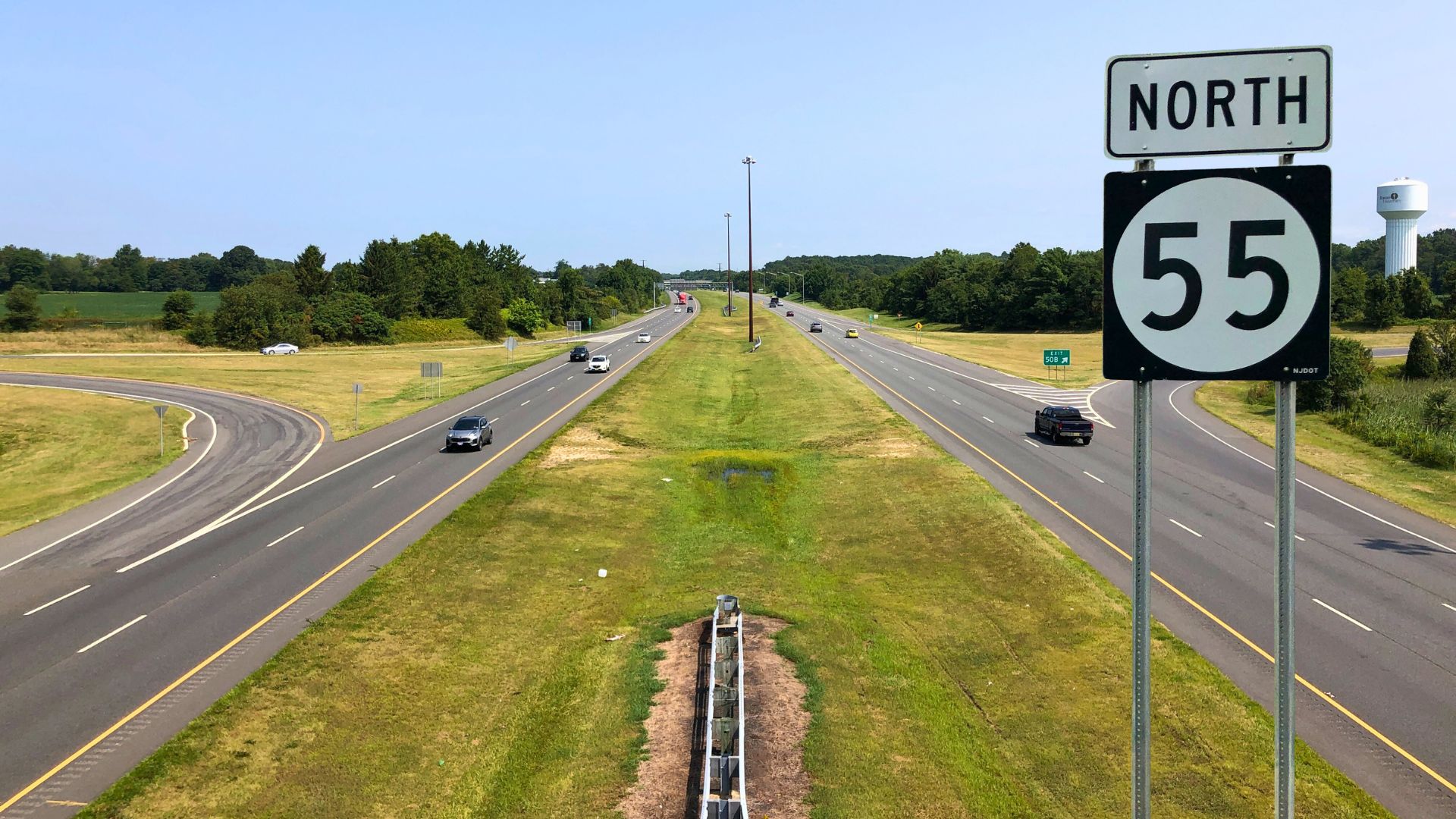
New Jersey Killed Route 55 Once. Now Trenton Is Talking About It Again
How Route 55 Was Originally Planned
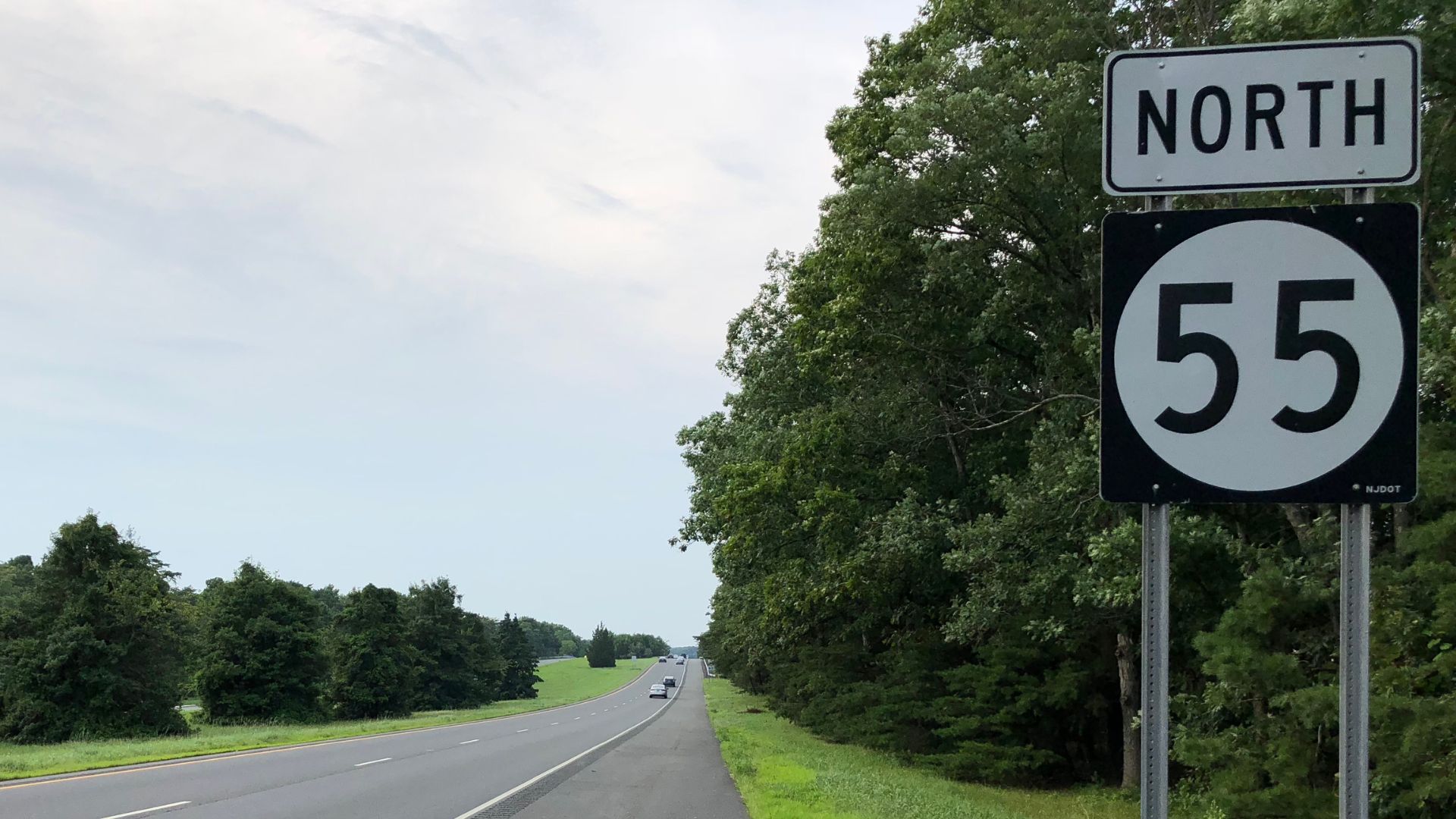
Route 55 was conceived during the post World War II highway expansion era, when New Jersey and other states focused heavily on building limited access roadways to support economic growth, freight movement, and tourism. Planning documents from the 1950s and 1960s envisioned Route 55 as a major north south corridor linking the Delaware Valley to the Jersey Shore.
Construction began in 1970, with segments opening throughout the 1970s. The highway was designed to relieve congestion on Route 47 and Route 49 while offering a faster alternative to surface roads used by shore bound traffic.
By 1989, Route 55 reached its current southern terminus at Route 47 in Maurice River Township. At the time, transportation planners did not consider this endpoint permanent. Internal documents from the New Jersey Department of Transportation described the Route 47 interchange as a temporary stopping point pending further studies and funding.
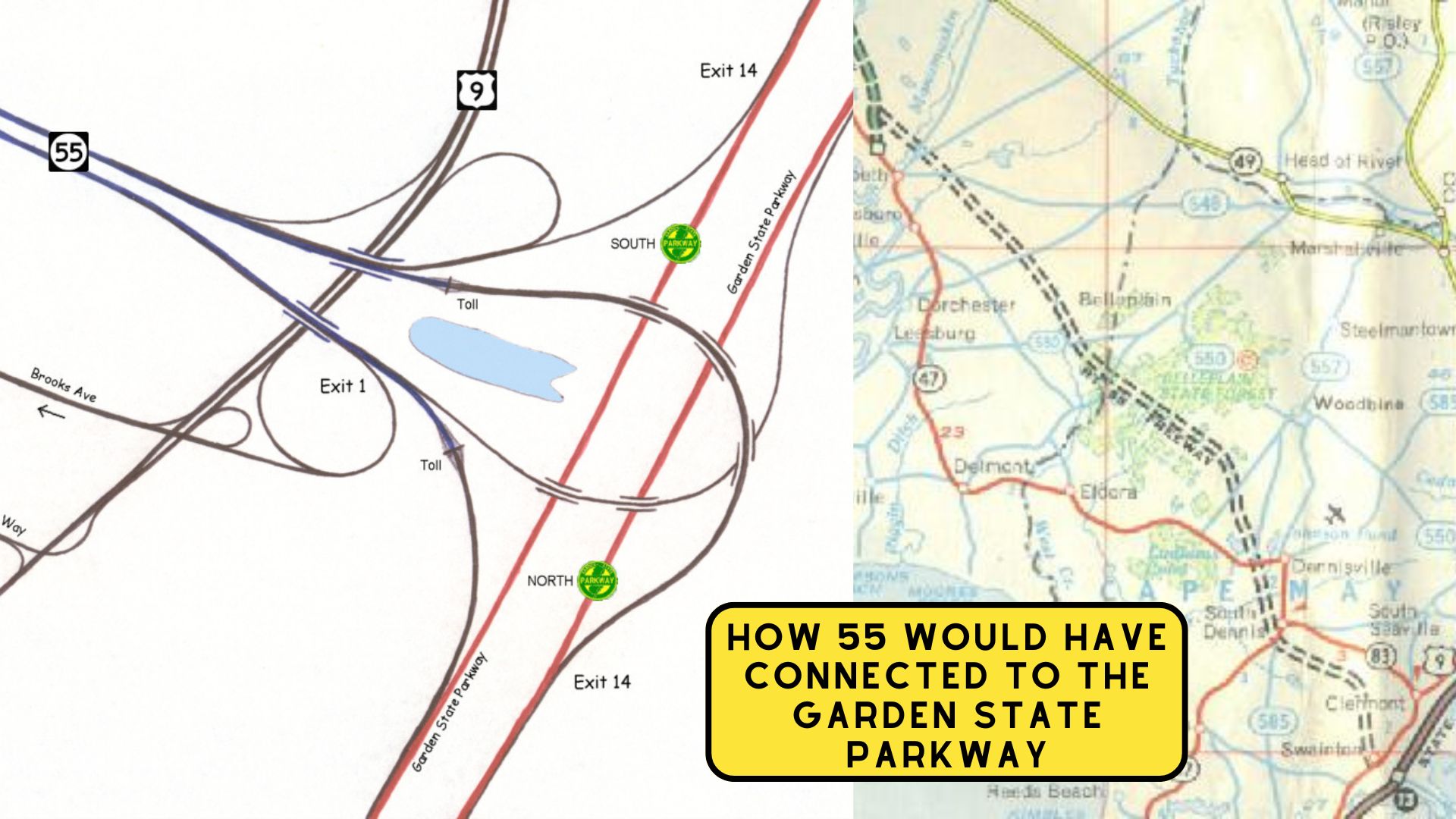 Why the Road Stops Short of Cape May County
During the early 1990s, NJDOT formally studied several southern extension options. These included new alignments through portions of the Pine Barrens, limited access connectors toward the Garden State Parkway, and hybrid designs that would upgrade existing highways.
The idea gained traction due to growing summer congestion, evacuation concerns following coastal storms, and pressure from local officials in Cape May and Cumberland counties. However, the plans faced strong opposition from environmental groups and Pinelands advocates, who argued that a new highway would threaten protected land and groundwater.
By the late 1990s, rising construction costs and shifting state priorities further weakened political support.
Also See: Cape May County Approves Nearly $1 Million for Wildwood Beach Street End Improvements
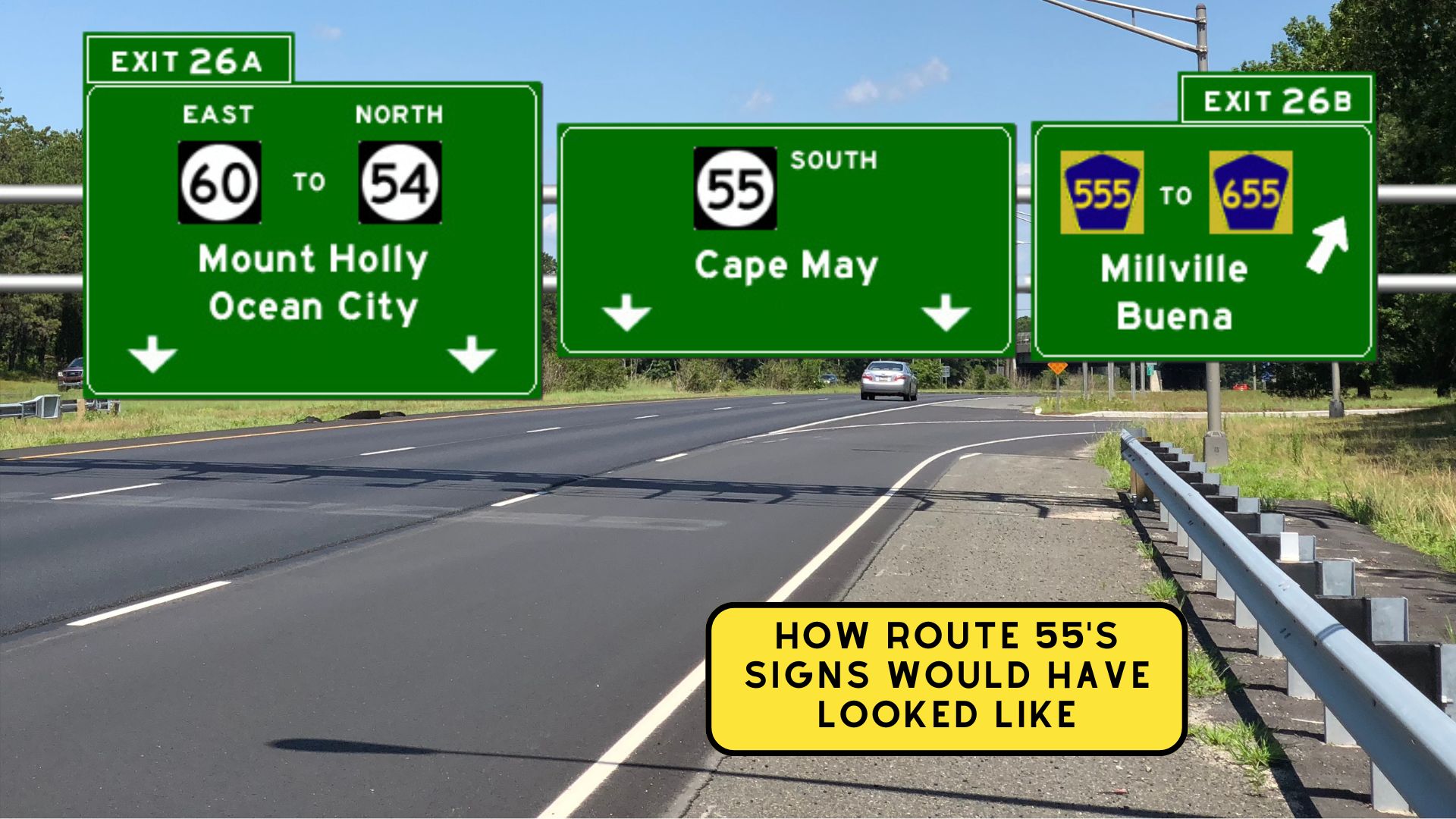 The Last Serious Proposal in 2000
Around 2000, NJDOT advanced what became the last comprehensive Route 55 extension concept. The proposal envisioned a new limited access highway splitting from Route 47 and continuing south through less developed areas before connecting to the Garden State Parkway in Middle Township.
While the plan progressed through conceptual stages, it never reached final environmental approval and never secured dedicated funding. After that point, Route 55 quietly disappeared from long range transportation plans.
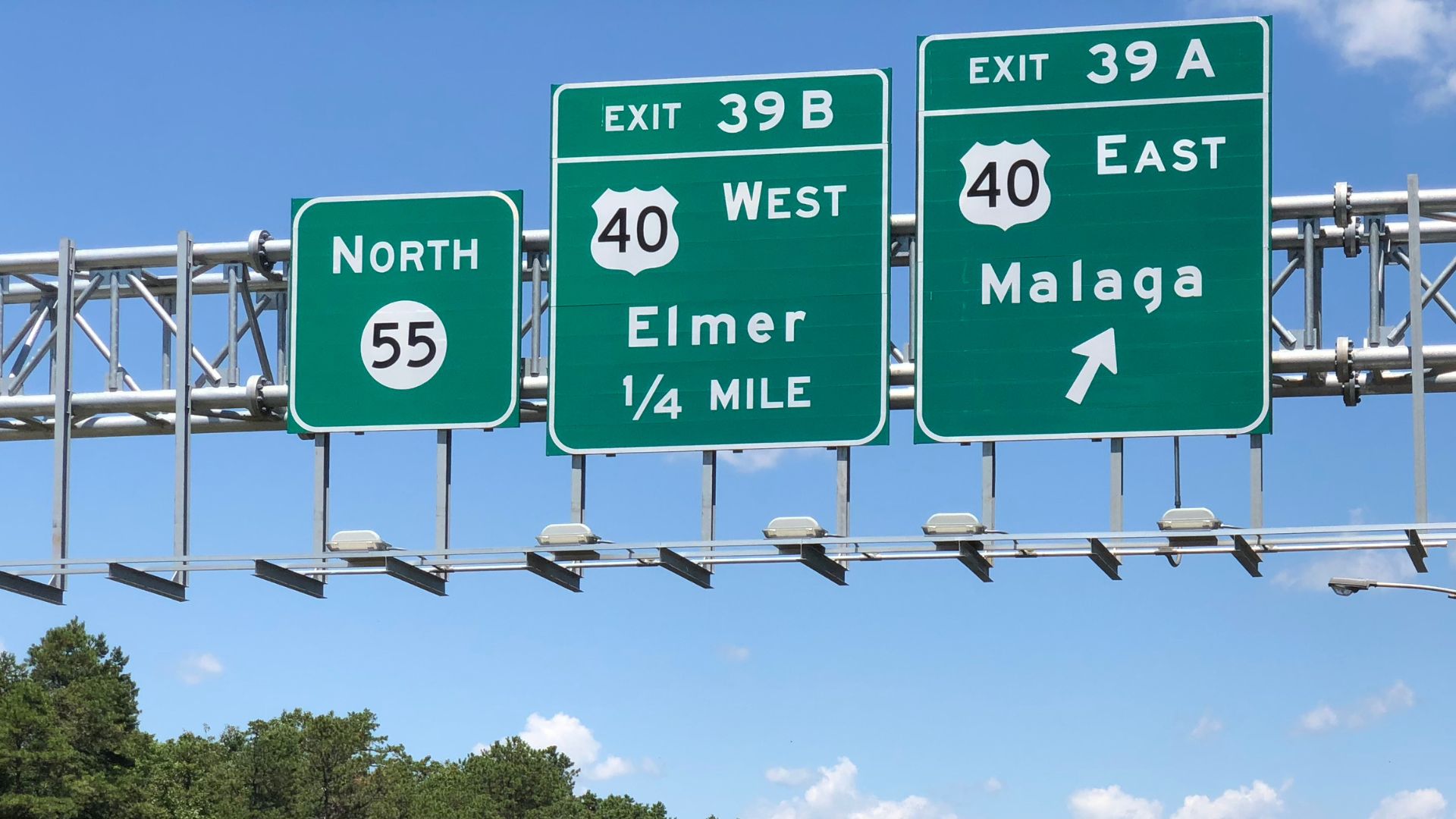 Decades of Silence and an Official Rejection
From the early 2000s through the 2010s, the state largely avoided discussion of extending Route 55. Transportation funding shifted toward bridge rehabilitation, rail investment, and congestion relief in North Jersey.
Evacuation challenges in Cape May County were addressed operationally rather than through new infrastructure.
That changed in 2023, when outgoing DOT Commissioner Francis O’Connor publicly stated that the Route 55 extension would not move forward.
This marked the first time the state formally declared the project off the table rather than merely inactive.
 Why Route 55 Keeps Returning to the Conversation
Despite repeated setbacks, the Route 55 debate has never fully disappeared.
One reason is evacuation safety. Cape May County remains one of the most difficult places in the country to evacuate during major storms.
Both Route 47 and the Garden State Parkway run close to flood prone coastal and bay areas, raising concerns that residents could be trapped during extreme weather events.
Another factor is climate change. Increased tidal flooding and storm surge have strengthened arguments that existing road infrastructure is insufficient for future conditions.
Finally, South Jersey lawmakers have long argued that the region receives less transportation investment than North Jersey. State Senator Michael Testa has repeatedly cited Route 55 as a symbol of that imbalance.
At this point, no formal proposal exists to extend Route 55. There are no environmental studies underway and no funding allocated. What has changed is leadership. With a new administration and a new DOT commissioner nominee, state officials have acknowledged that previous decisions may be reexamined.
Whether that leads to action remains uncertain. But for the first time in more than two decades, Route 55 is no longer treated as a closed case.
Would you want to see route 55 completed?