
Cape May County Zoo Announces Passing of Snow Leopards Maliha and Bataar
We have some really sad news coming out of the Cape May County Zoo. They have announced the passing of two of its residents, snow leopards Maliha and Bataar.
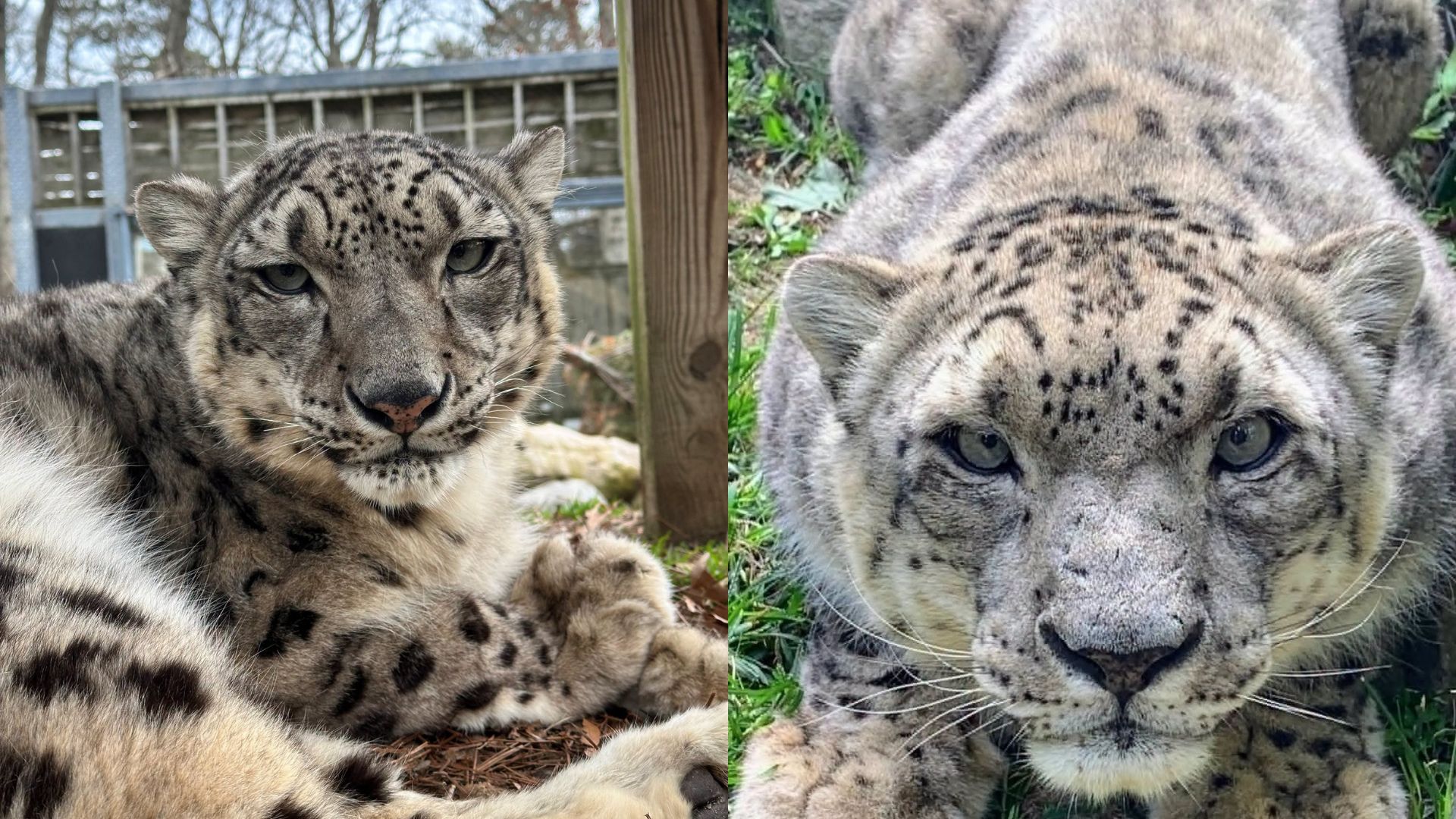
According to zoo officials, Maliha was euthanized in April following an unexpected medical event. She was 13 years old. Bataar passed away in early June after spending the past year receiving treatment for age-related health conditions.
Cape May County Zoo Announces Passing of Snow Leopards Maliha and Bataar
At nearly 18 years old, Bataar was considered one of the oldest snow leopards in the United States.
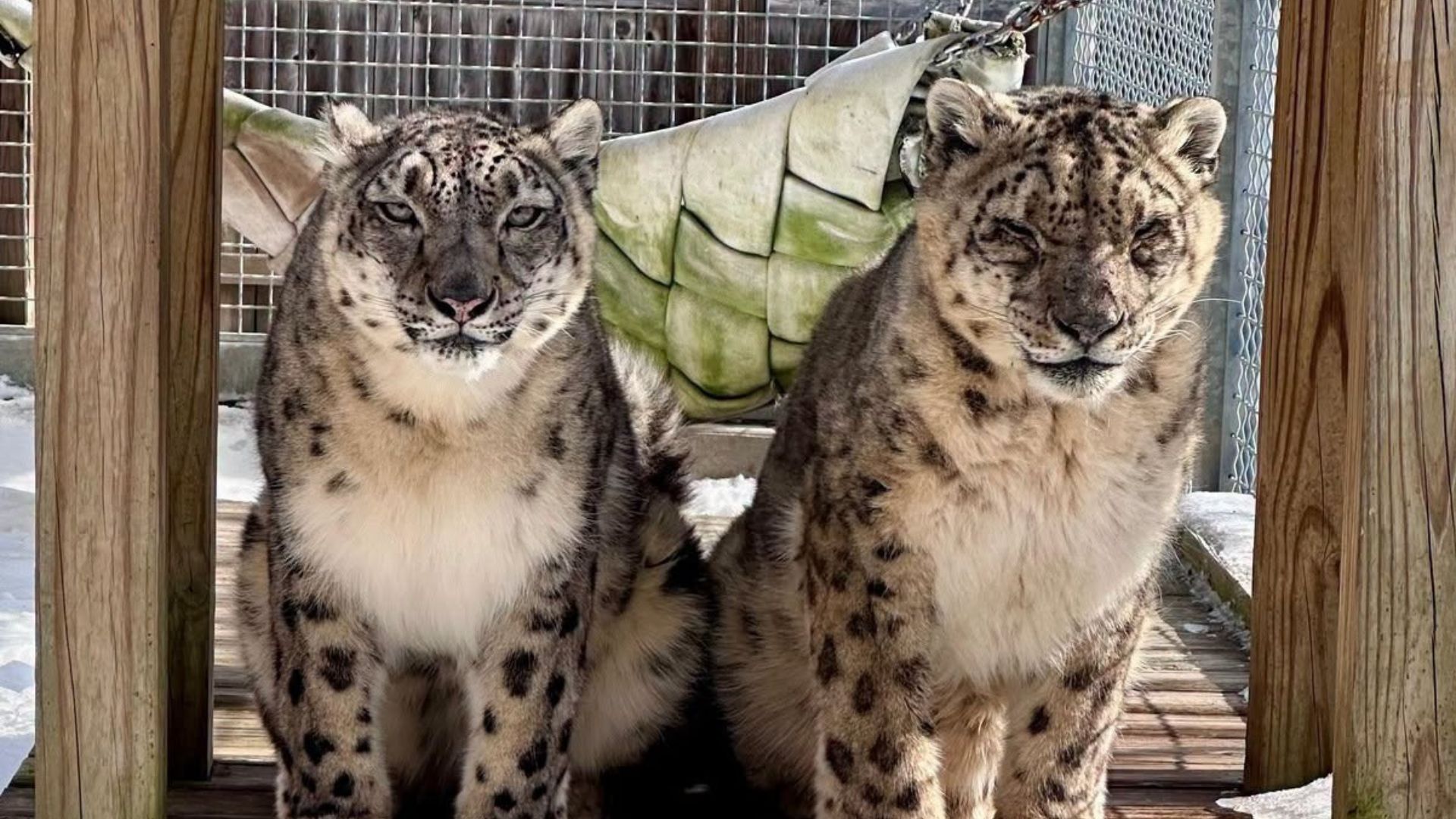
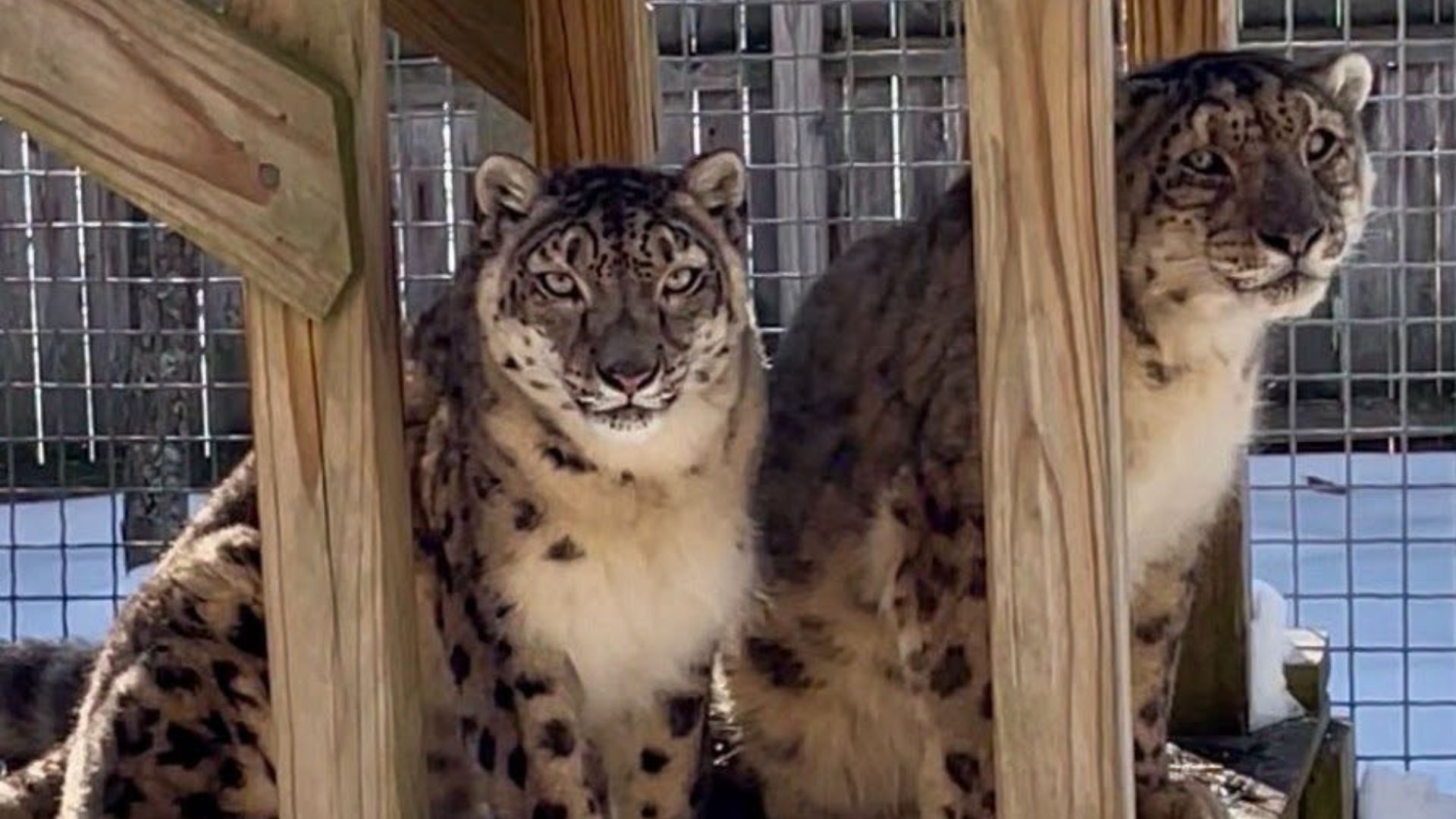
For many visitors, the pair became a favorite stop during a trip through the Cape May County Zoo. They were frequently seen relaxing together on the elevated outdoor platform within their habitat, often drawing crowds of guests hoping to catch a glimpse of the elusive big cats.
 The two snow leopards were matched through the Snow Leopard Species Survival Program, a conservation initiative that helps maintain healthy populations of endangered species in accredited zoos across North America.
While Maliha and Bataar never produced cubs together, their bond made them a memorable part of the zoo experience.
Also See: Inside The Wild Resort: Wildwood’s New Luxury Boardwalk Hotel (Exclusive Tour)
Bataar played a significant role in the history of the Cape May County Zoo’s snow leopard program.
 He became the first snow leopard to occupy the zoo’s modern snow leopard habitat when the facility opened in 2015. Prior to Maliha’s arrival, Bataar successfully fathered cubs with his first mate, Tysa, before she was transferred to another institution as part of a breeding recommendation.
Maliha arrived at the Cape May County Zoo in 2021 and remained with Bataar for the rest of their lives.
Snow leopards are native to the mountainous regions of Central and South Asia and are classified as vulnerable in the wild due to habitat loss, climate change, poaching, and declining prey populations. Accredited zoos such as Cape May County Zoo participate in conservation and breeding programs designed to help preserve the species for future generations.
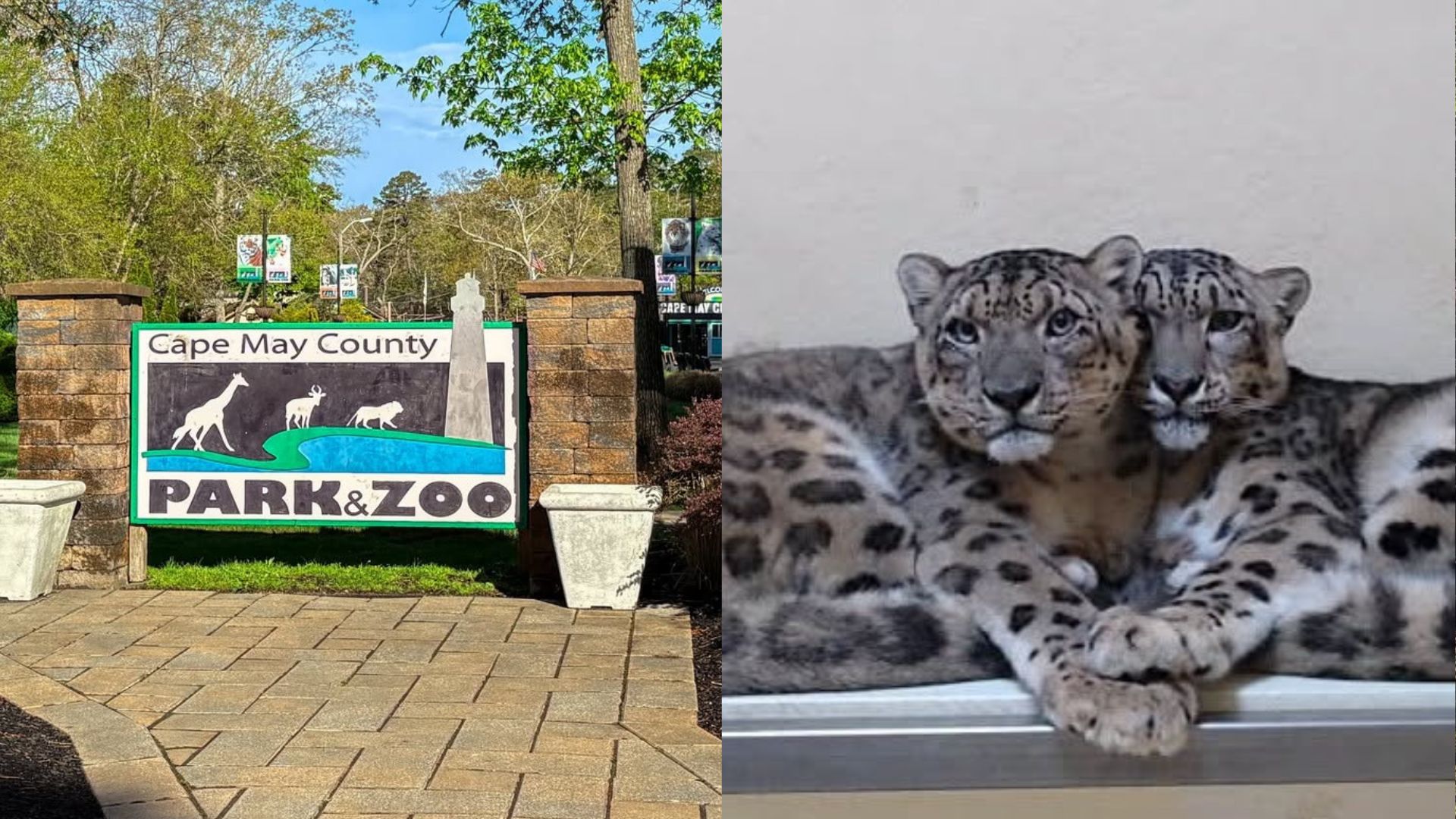
 Located inside Cape May County Park in Cape May Court House, the Cape May County Zoo is one of New Jersey’s most visited attractions and is unique in that admission is free to the public year-round. The zoo is home to more than 500 animals representing roughly 250 species from around the world.
Sending our love to the Cape May County soon team.