
Here is Why There Are So Many Whelk Shells on New Jersey Beaches
A fellow follower recently asked, “Why are there so many whelk shells on Wildwood’s beaches?” It made me realize that a lot of people don’t even know the knobbed whelk is New Jersey’s official state shell. And once you learn why, seeing them scattered across our beaches makes a whole lot more sense.
If you’ve spent any time walking the beaches in Wildwood, Stone Harbor, Ocean City, or really anywhere in South Jersey, you’ve probably noticed the large spiral whelk shells scattered along the sand.
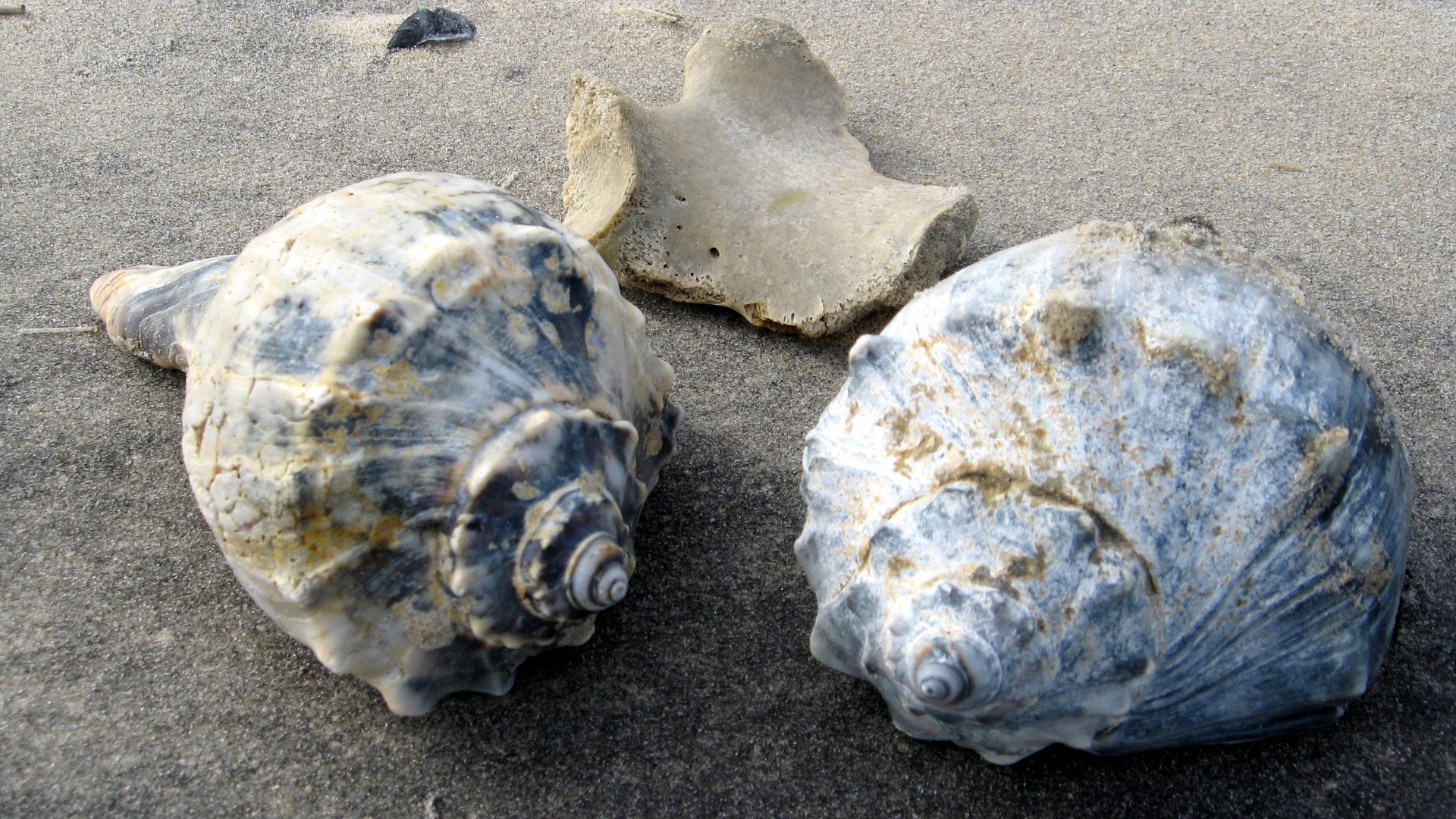
ANSWERING Why Are There So Many Whelk Shells on New Jersey Beaches
Some people think they are conch shells, but we don’t have those in our cold waters.
Some days there are only a handful, while after a storm it can seem like they’re everywhere. So why do New Jersey’s beaches have so many of these shells?
The answer is a combination of nature and South Jersey’s commercial fishing industry.
Whelks are large sea snails that live on the sandy ocean floor off the coast of New Jersey. The most common species found here is the channeled whelk, which can grow to more than a foot long and preys on clams and other shellfish.
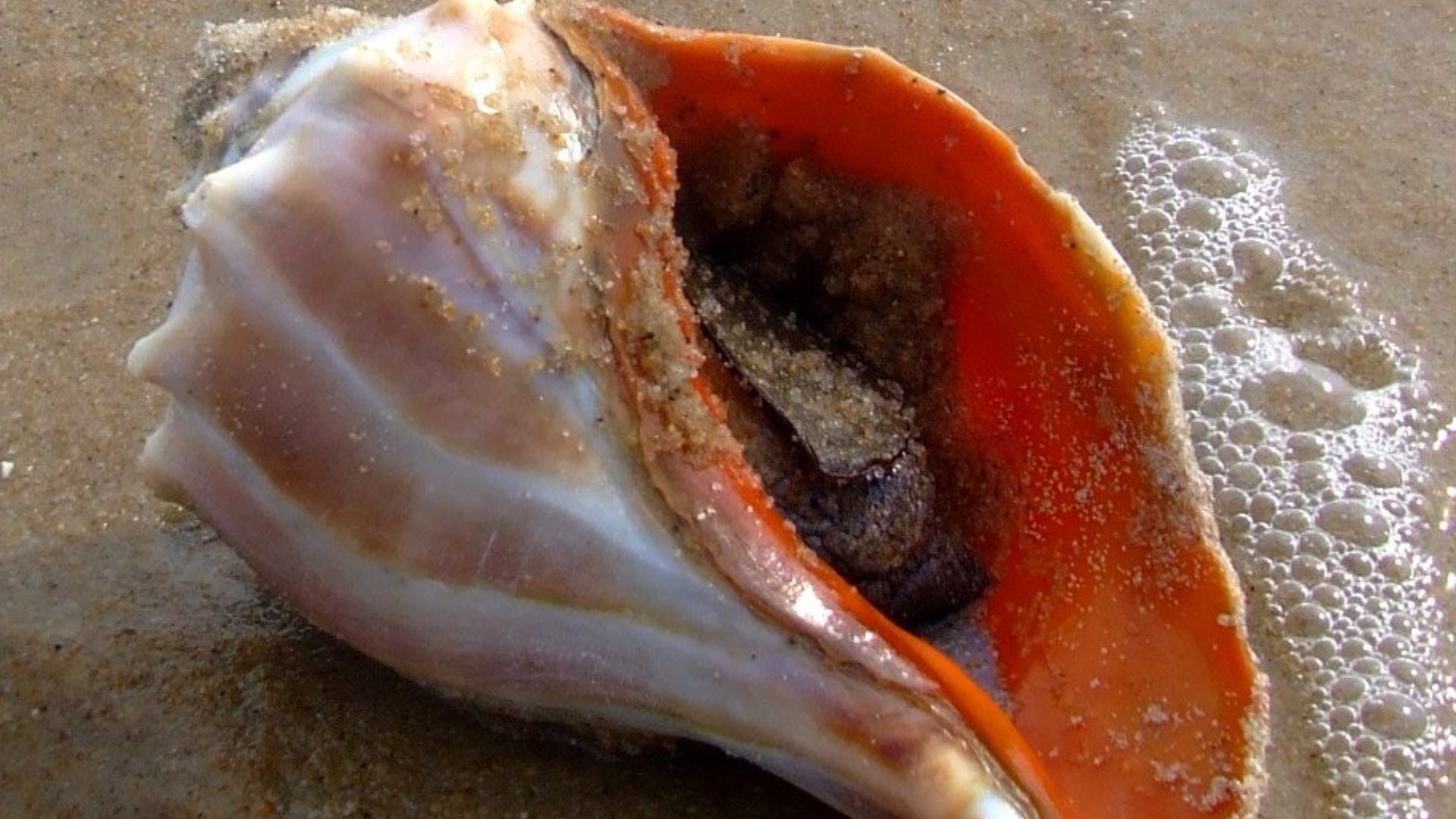 When whelks die naturally, their thick, durable shells remain intact for years.
Ocean currents, tides, and storms can carry them from offshore and deposit them onto our beaches.
But there’s another reason you’ll find so many.
Cape May County is home to an active commercial whelk fishery. Local fishermen catch thousands of whelks each year using baited traps placed on the ocean floor. While the meat is highly valued and sold around the world, the shells themselves are often discarded after processing. Some eventually make their way back into the ocean, where waves and currents can carry them onto nearby beaches.
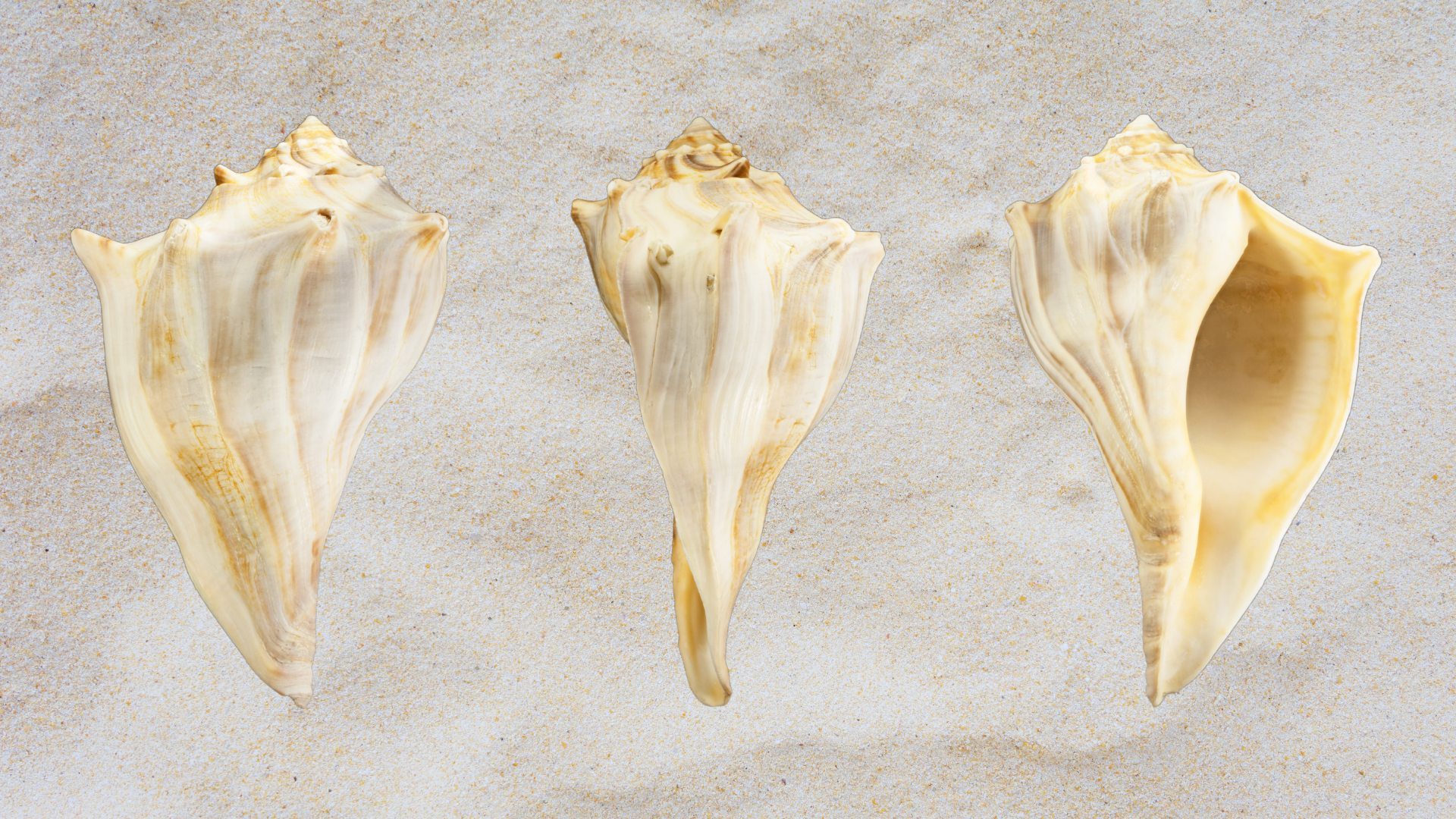 Because whelk shells are much thicker than clam or scallop shells, they’re far more likely to survive being tossed around by the surf. That’s why they often accumulate along the high tide line, especially after strong storms or periods of rough seas.
As kids, we used to see massive shell piles, even some outside of 2-mile landing.
Because of how many we have off our coast and the massive fishing industry built around them, the whelk became an obvious choice for New Jersey’s official state shell.
In 1995, the designation was signed into law by Governor Christine Todd Whitman after a campaign led by New Jersey students and educators who wanted a state symbol that reflected the Garden State’s rich coastal heritage.
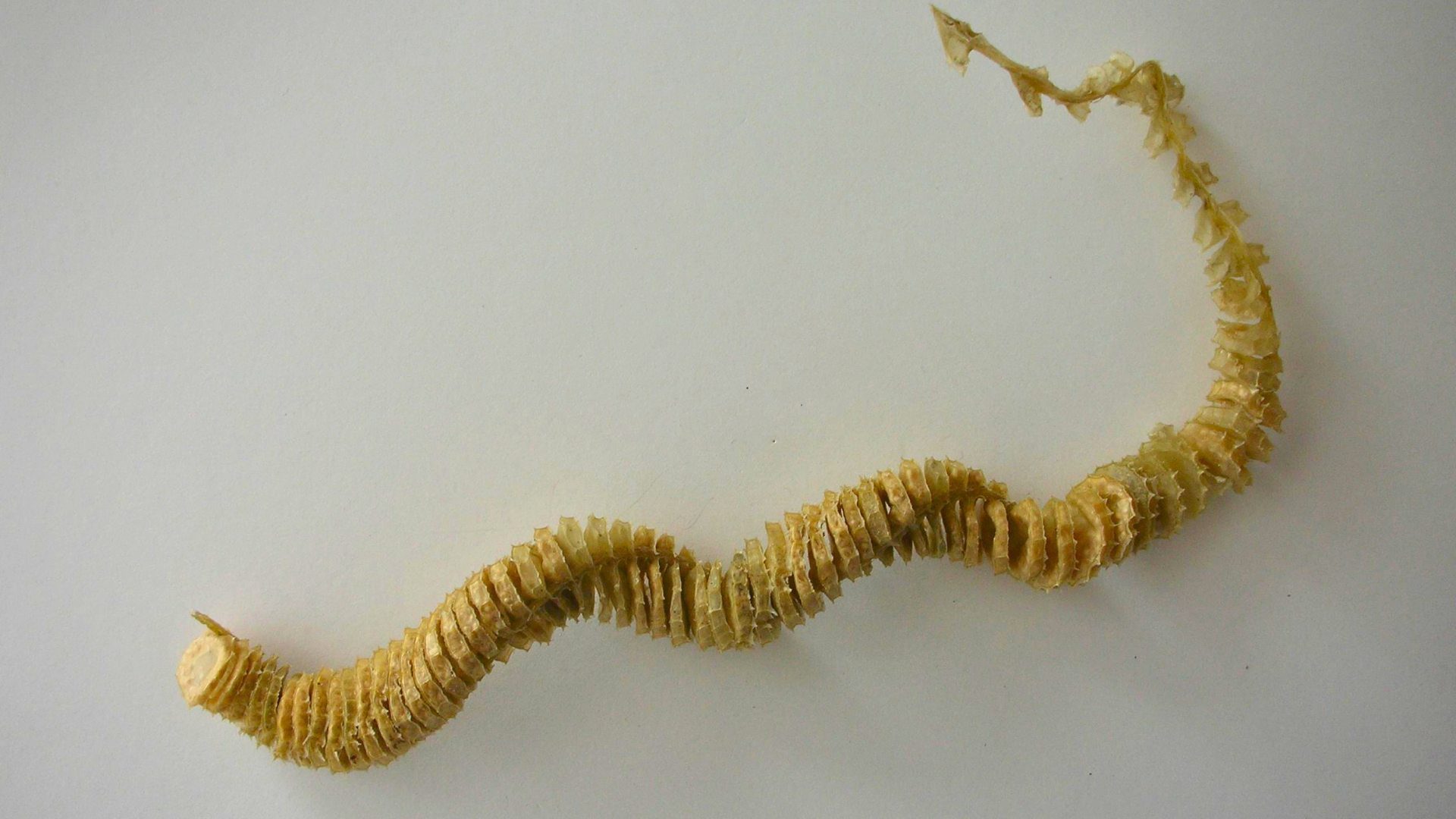
And I need to add. Below is something else you might see on the beach. Believe it or not, these are the whelk egg case. There could be about 150 eggs in this one string.
So now you know, the next time you see this shell washed up on the beach, you’re looking at more than just a seashell. You’re looking at a small piece of New Jersey’s fishing industry, marine ecosystem, and coastal history all rolled into one.