
Cape May Was Built on Fishing with Over 300 Years of History
When you think of Cape May, chances are the first things that come to mind are its beautiful Victorian homes, beaches, and the thousands of visitors who make their way to the island every summer.
But long before Cape May became one of the most popular vacation destinations along the Jersey Shore, this area was known for something completely different. Fishing!
In fact, Cape May’s fishing history goes back more than 300 years, and much of what we see along the waterfront today can be traced back to those early days.
In celebration of National Seafood Month, Lund’s Fisheries recently shared some interesting history about the fishing industry in Cape May, and it got us thinking about just how much this industry helped shape the community we know today.
And to tell that story, we have to go all the way back to the 1600s.
Cape May Was Built on Fishing with Over 300 Years of History
It All Started With Whalers
Believe it or not, some of the earliest European settlers in Cape May County came here to hunt whales.
Around 1685, whalers from New England began establishing a community at Town Bank, located along the Delaware Bay.
Back then, the area looked nothing like it does today. There were no Victorian hotels, boardwalks, or summer crowds.
Instead, these early settlers made their living from the waters surrounding Cape May.
Whales were hunted right off the shoreline, and the industry became an important part of the area’s early economy.
As the years went on, fishing continued to grow.
 Also See: North Wildwood’s Beach Erosion And What Comes Next
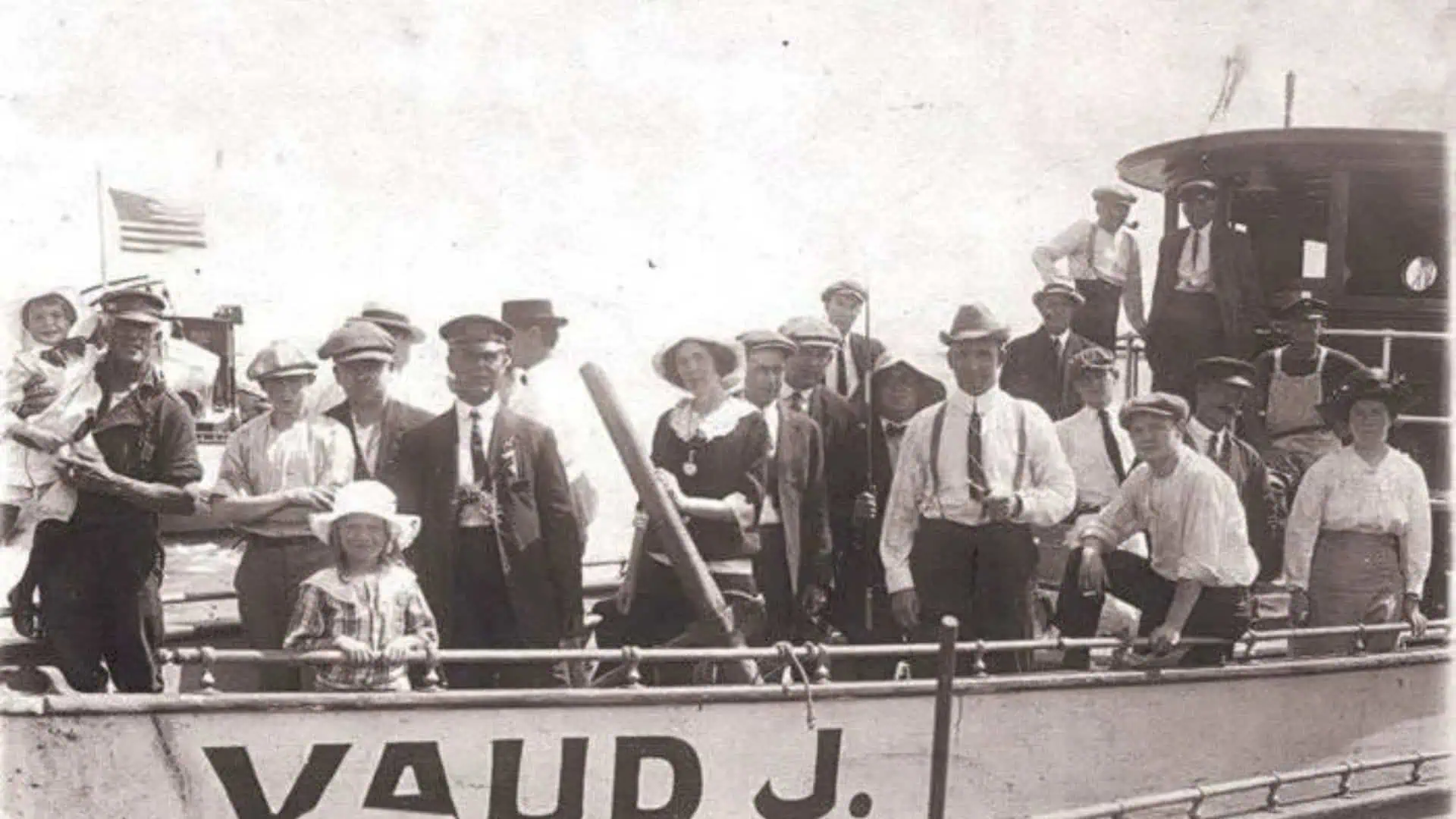
By 1880, the industry had become so established that a federal survey documented fishermen working for miles along both sides of Cape May.
These fishermen used nets and fishing lines to bring in their catches, helping support local families and businesses.
But there was one major problem.
Getting boats safely in and out of the waterways wasn’t always easy.
 The Harbor That Helped Build Cape May
As Cape May’s fishing industry expanded, so did the need for a proper harbor.
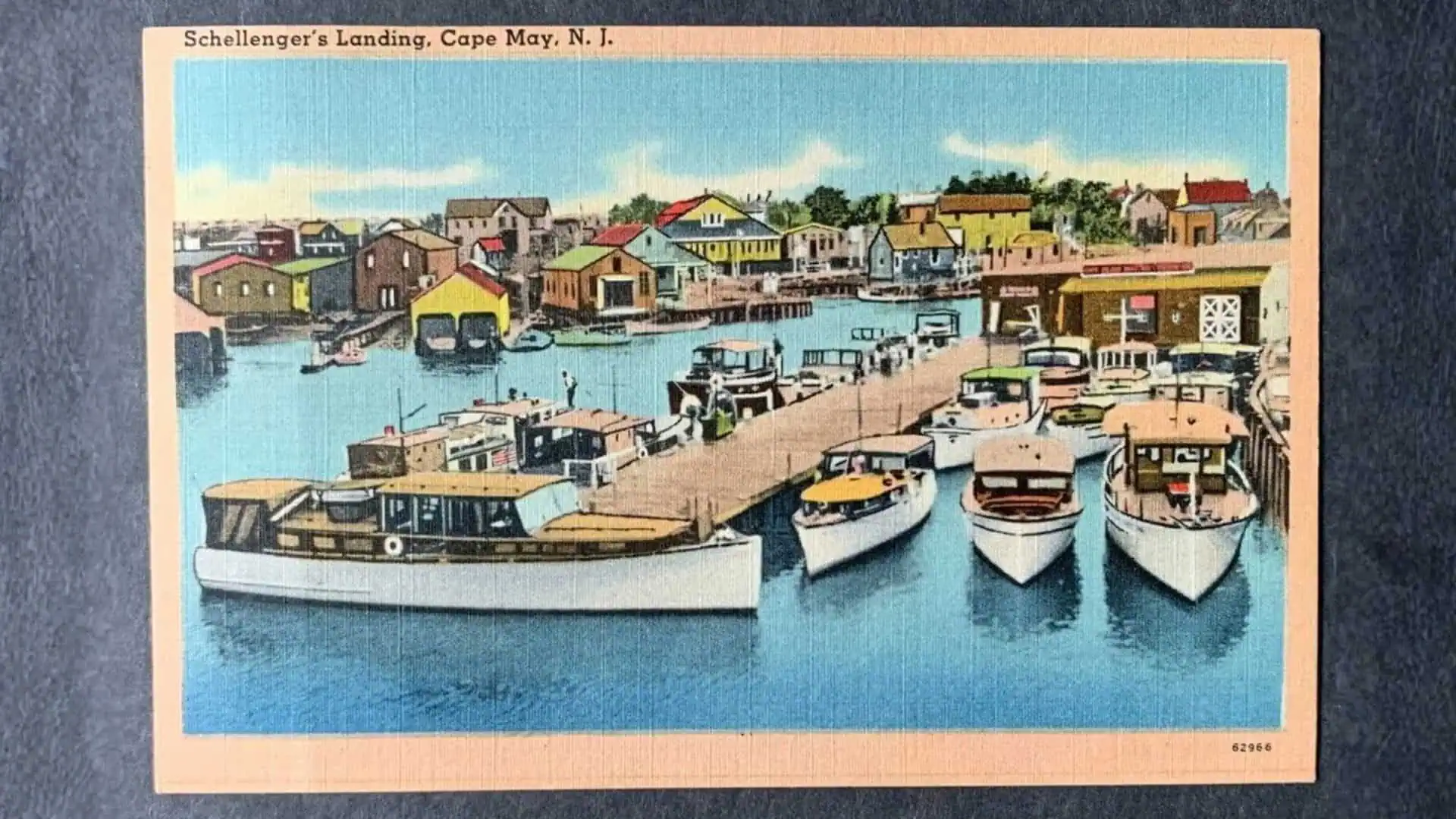
During the early 1900s, the waterfront around Schellenger’s Landing began developing into the fishing harbor that many of us recognize today.
This was a major turning point.
Fishing boats now had better facilities to operate from, and with railroad connections to major cities, seafood caught off Cape May could make its way to markets in Philadelphia and New York.
Think about that for a moment.
Fish caught right here in Cape May were being shipped to some of the largest cities in the country.
Then came another major improvement in 1911.
That year, jetties were constructed at Cold Spring Inlet to help stabilize the waterway and reduce the sand buildup that made navigation difficult.
This made it easier for larger vessels to enter and leave the harbor.
But one of the biggest changes to Cape May’s waterways wouldn’t come until World War II.
Also See: Inside South Jersey’s Most Expensive Home Worth Nearly $23 Million
 World War II Changed Cape May’s Waterways
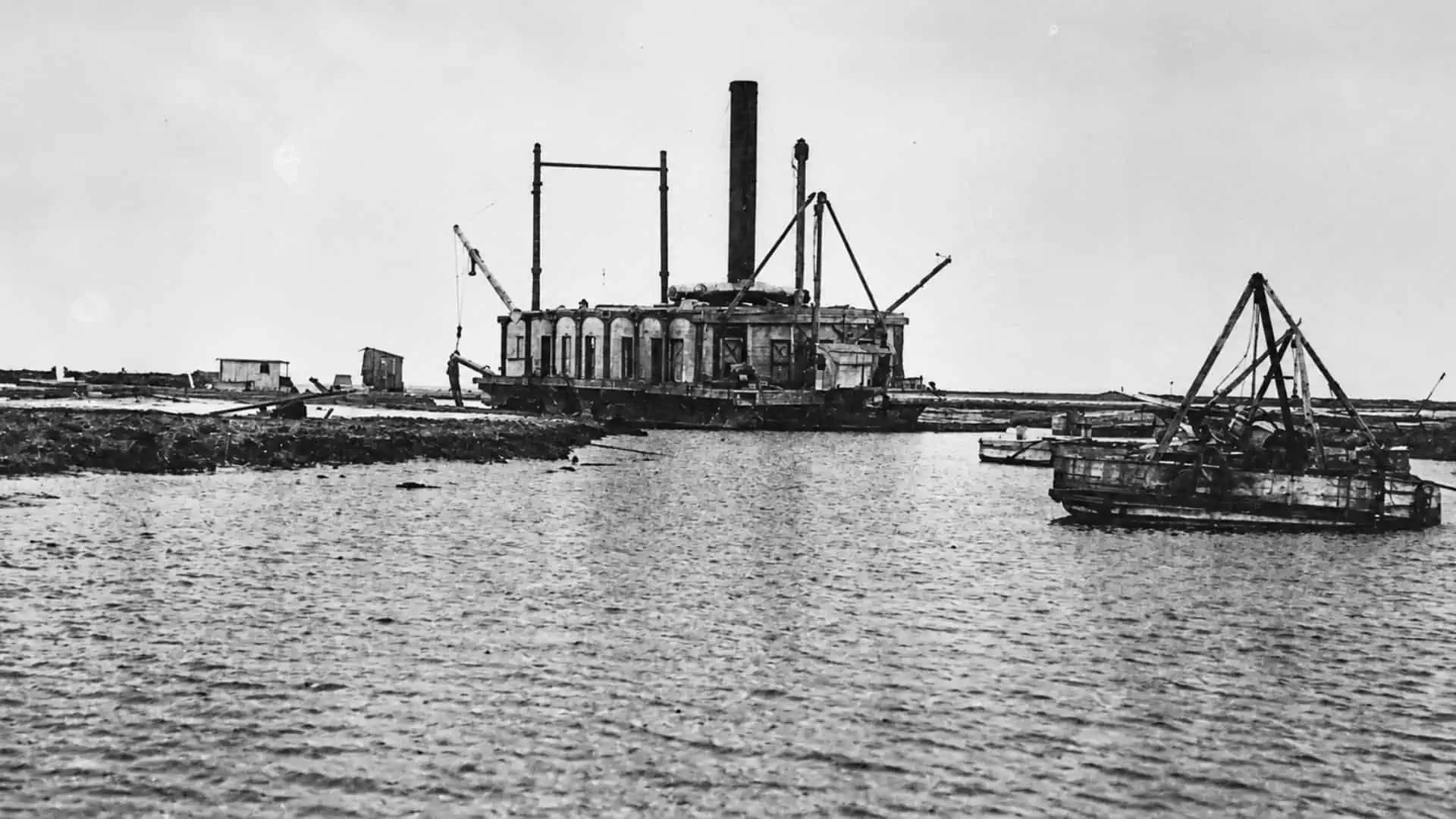
In 1942, construction of the Cape May Canal provided a new connection between Delaware Bay and Cape May Harbor.
This project was especially important during the war.
At the time, German submarines were operating off the American coastline, threatening ships traveling through the Atlantic Ocean.
The canal offered vessels a protected inland route between the bay and the harbor, allowing them to avoid navigating around Cape May’s exposed coastline.
While the canal was constructed for wartime needs, it would go on to benefit recreational boaters and the local maritime industry for generations.
And it’s still being used today.
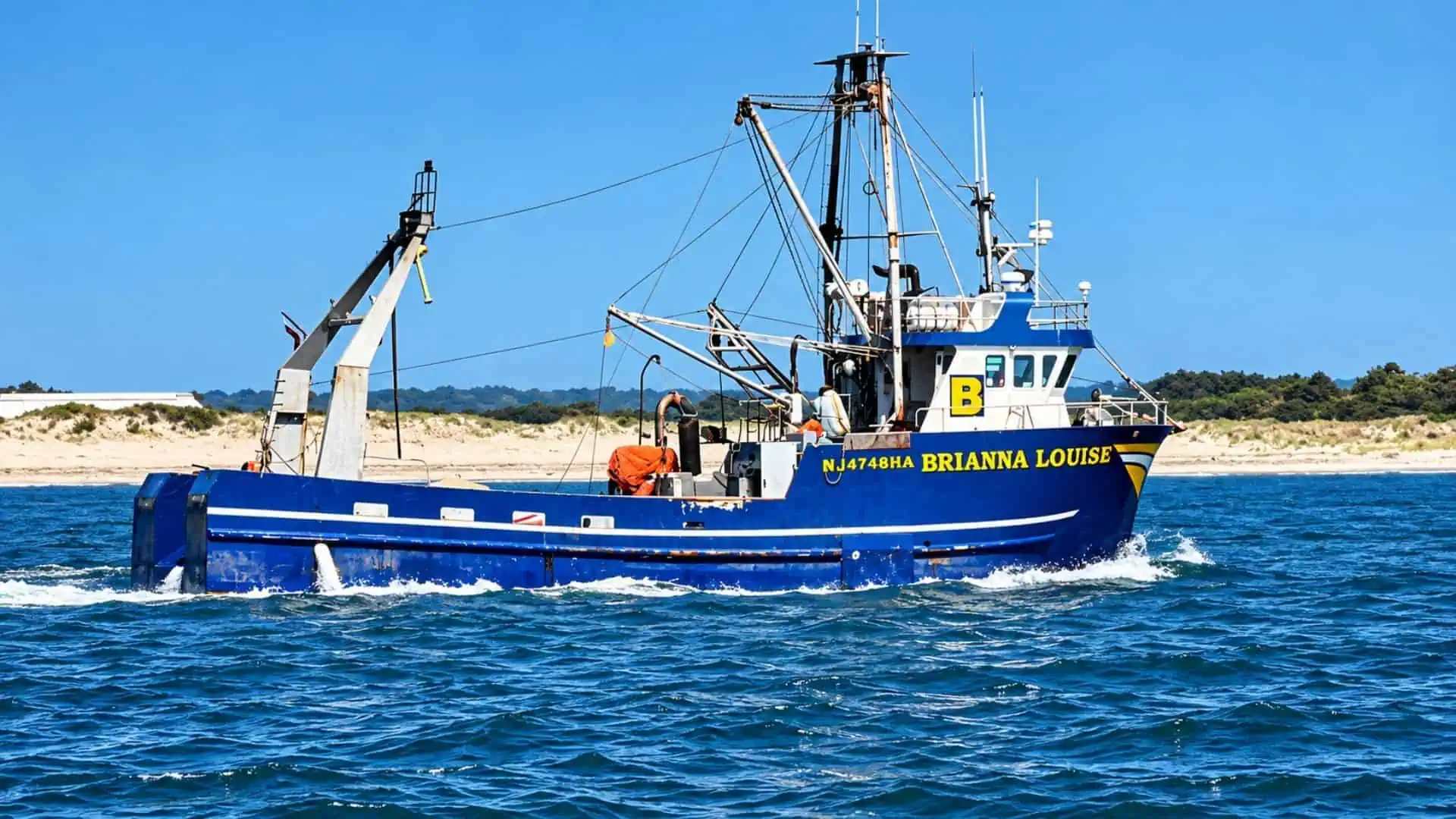 A Fishing Industry That Continues Today
Another important chapter in Cape May’s fishing history began in 1954.
That was the year Warren Lund established Lund’s Fisheries along Cape May Harbor.
More than 70 years later, the company continues to operate and remains part of the area’s commercial fishing industry.
But here’s something that might surprise you.
Cape May and Wildwood together make up New Jersey’s largest commercial fishing port by seafood landings.
That’s right.
While millions of people visit the Wildwoods and Cape May each year for our beaches, boardwalks, restaurants, and attractions, commercial fishing continues to be a major part of the local economy.
And this is something that often gets overlooked when we talk about the history of Cape May County.
We spend a lot of time celebrating our Victorian architecture, historic hotels, amusement piers, and boardwalks, but the fishing industry deserves just as much attention.
After all, it was here long before most of those attractions ever existed.
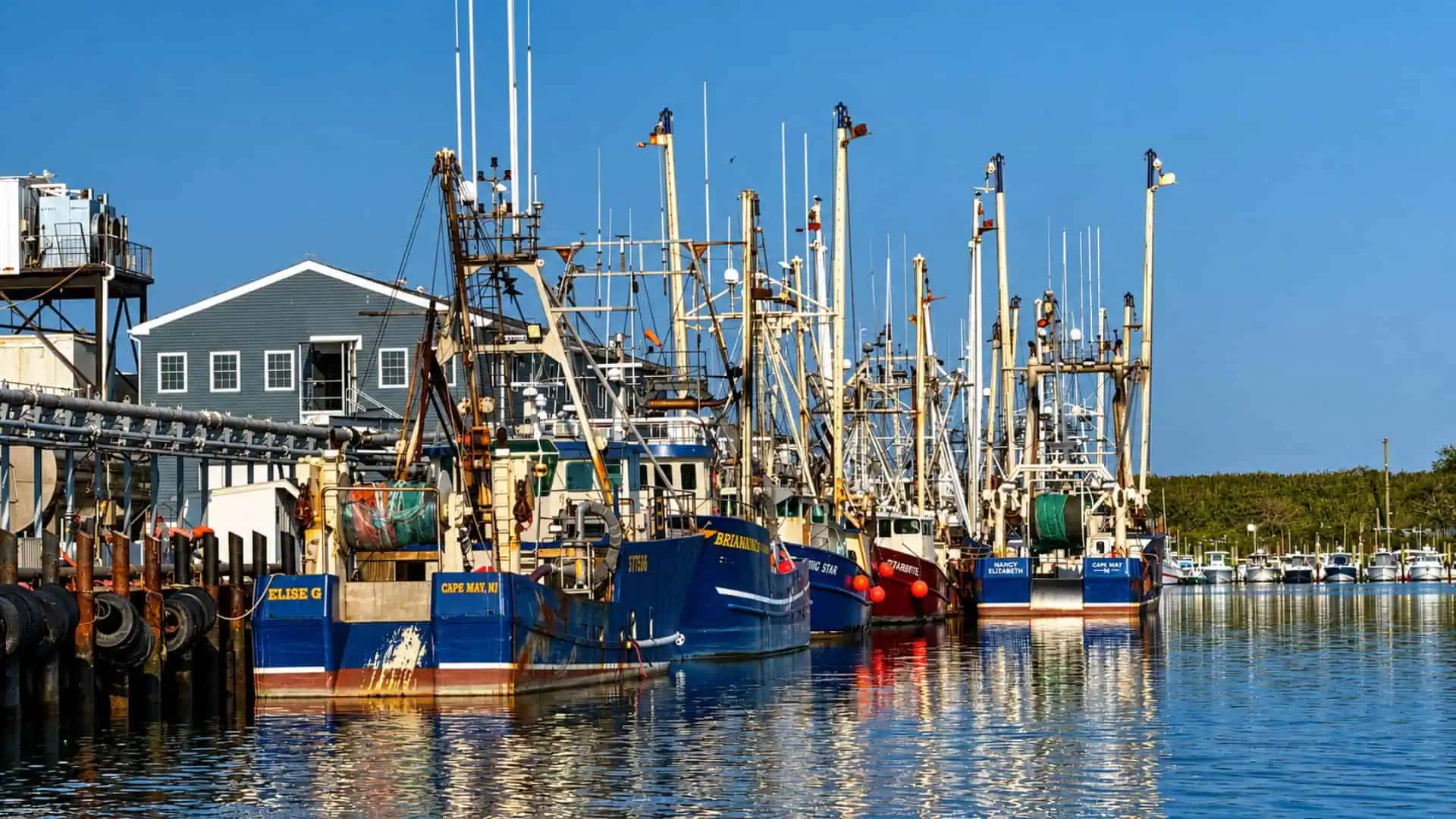
So the next time you’re driving past Schellenger’s Landing and see the fishing boats lined up along the harbor, take a second to think about the history you’re looking at.
Those boats are part of a story that began more than three centuries ago, when the first whalers settled along the Delaware Bay.
And more than 300 years later, that story is still being written right here in Cape May County.