
Navy Special Ops Boats Spotted In Jersey Back Bays
Sometimes you see very unique vessels pass through the Jersey Shore, and this week was a perfect example. Boaters, including John Kauterman and our friends at Sea Gear Marine Supply, observed two unusual boats operating in Cape May County’s back bays.
These were not typical recreational boats. Their stealthy appearance made it seem as if the Navy might be conducting operations nearby.
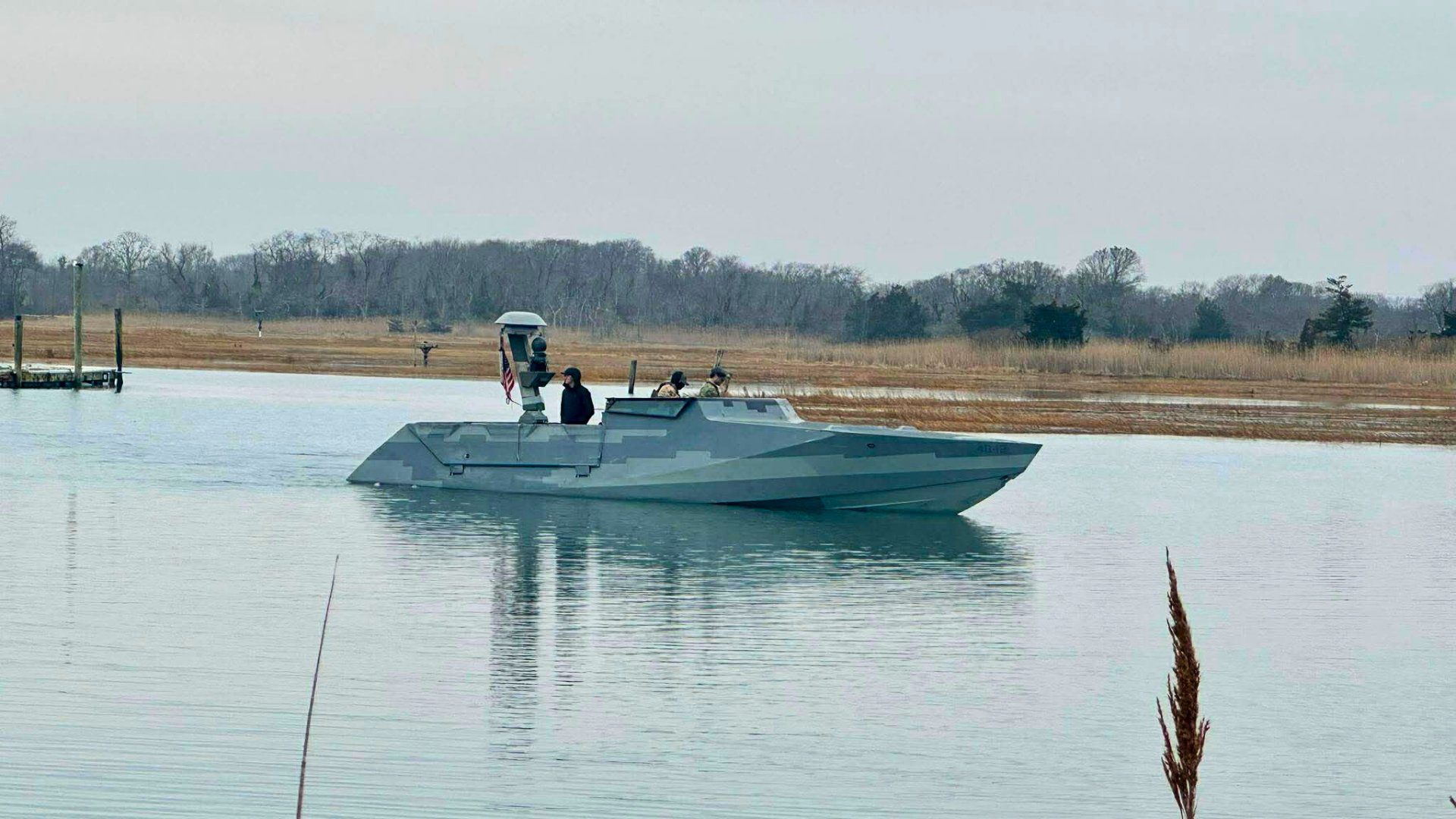
Navy Special Ops Boats Spotted In Jersey Back Bays
As it turns out, that is exactly what was happening.
The vessels are known as Combatant Craft Assault, or CCA.
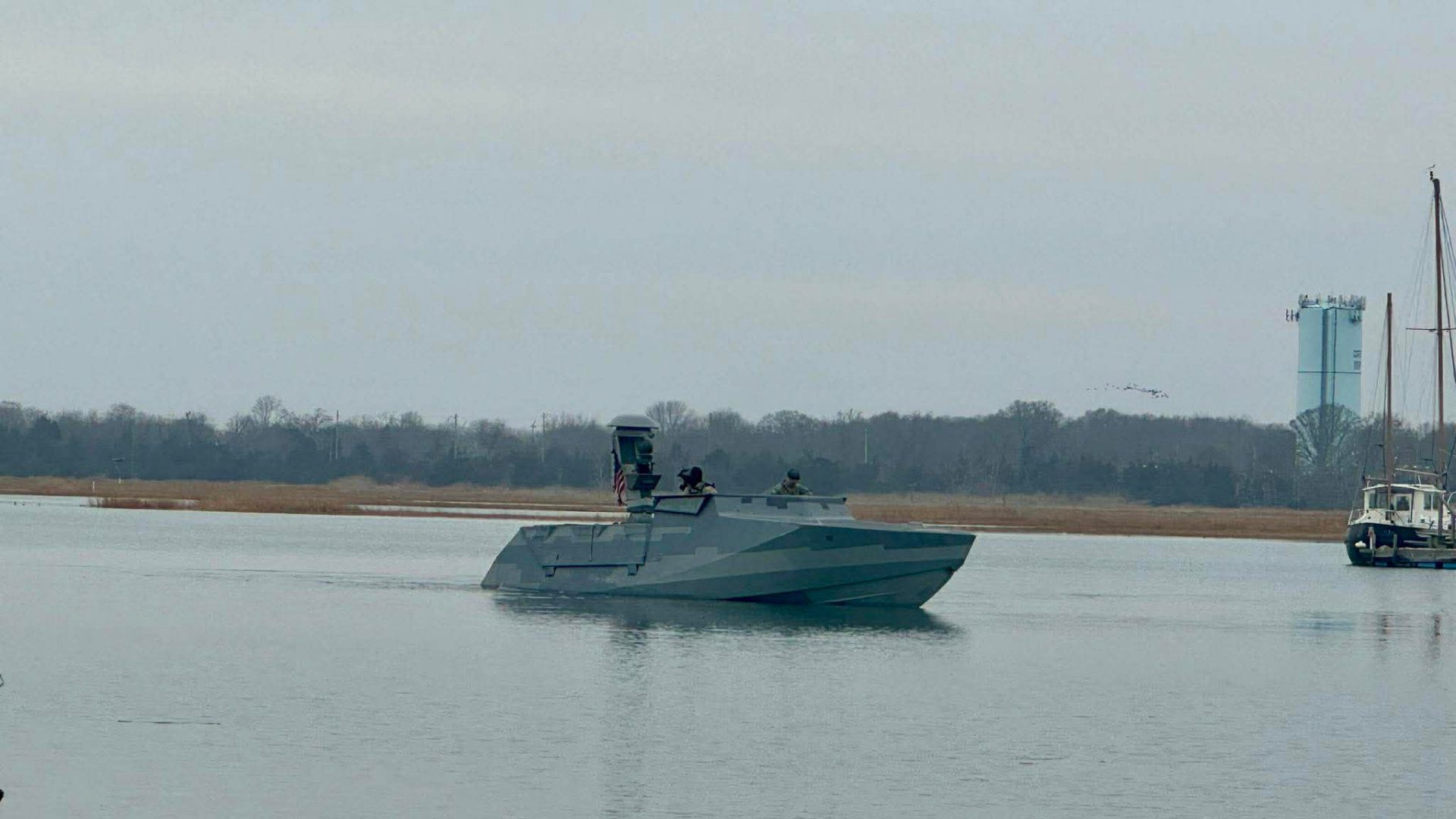 According to information from USA Military Channel, Combatant Craft Assault boats are high-speed tactical vessels operated by the United States Navy’s Special Warfare Combatant Craft Crewmen in support of maritime special operations.
These craft are primarily used to transport and protect Navy SEALs and other special operations forces in coastal, riverine, and littoral environments where larger ships cannot operate effectively.
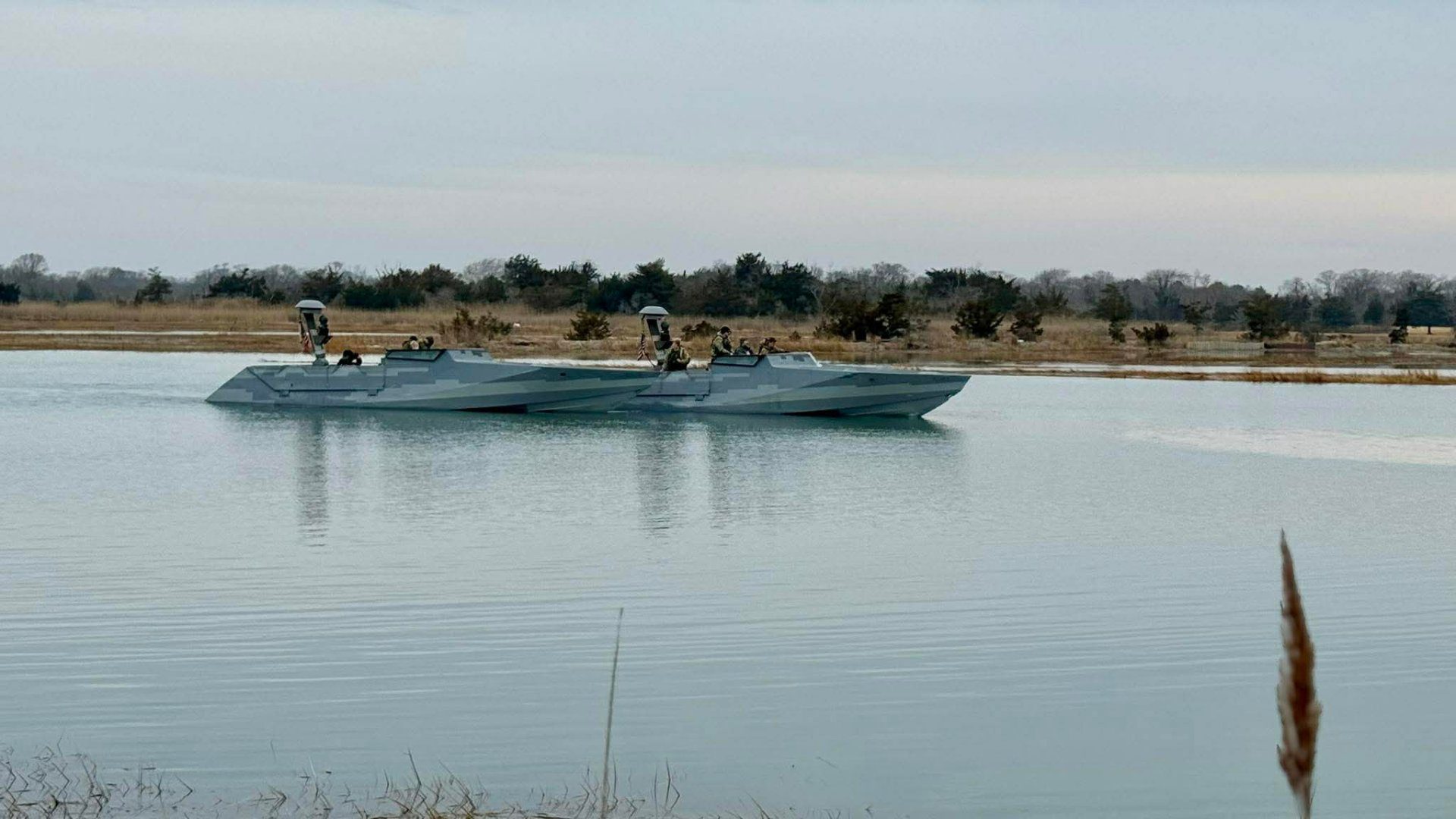 Their shallow draft allows them to maneuver through tight waterways and approach shorelines quickly while maintaining speeds exceeding 40 knots. This makes them well suited for contested coastal zones and fast-moving assault operations, and our back bays provide an ideal environment for testing this type of technology.
The vessels typically measure about 41 feet in length and can carry a SWCC crew along with an embarked assault force.
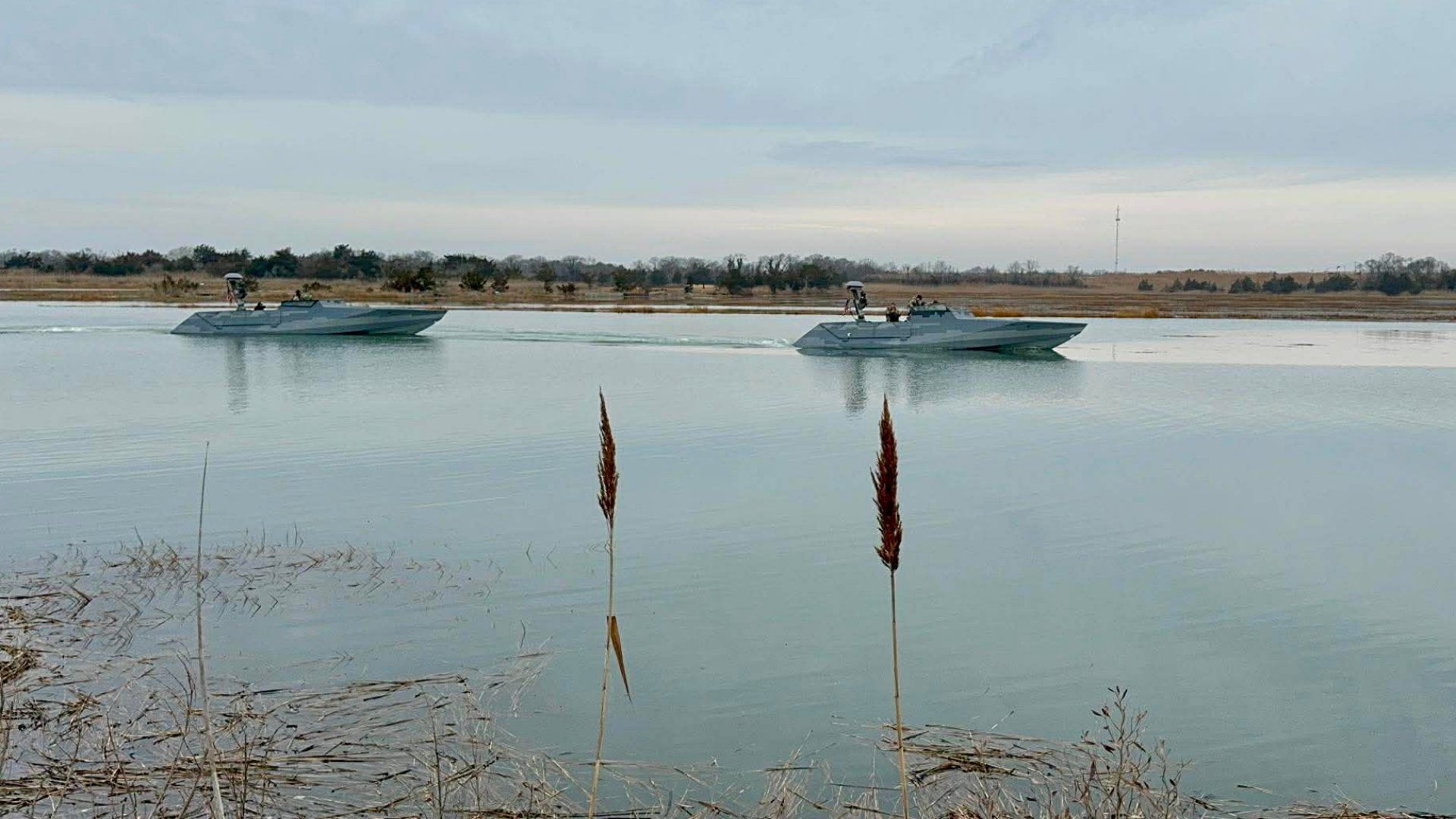 Despite their compact size, CCAs are heavily armed and may be equipped with M2 .50 caliber machine guns, M240 machine guns, automatic grenade launchers, and GAU-17/A miniguns. Advanced communications, navigation systems, and ballistic protection further enhance mission survivability.
One notable feature is the propellers.
These are specialized surface-piercing cleaver propellers designed for high-performance marine propulsion systems. Unlike traditional submerged propellers, they operate partially out of the water at speed, reducing drag while allowing higher RPM and improved efficiency.
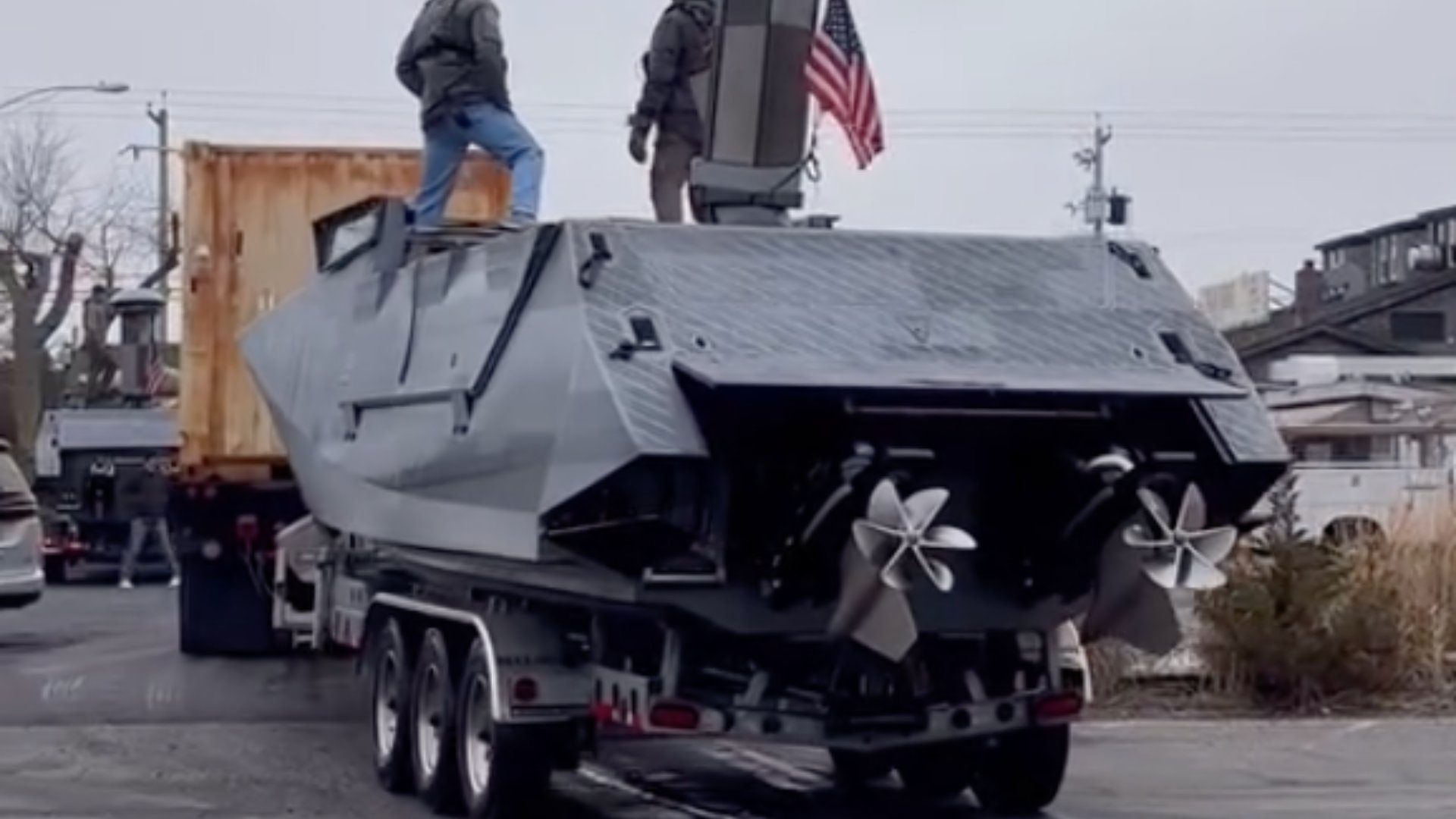 Their cleaver blade geometry, defined by wide, squared trailing edges, is optimized for maximum top speed, stern lift on fast planing hulls, and stable performance in aerated water.
It is a feature we had not seen before and one that immediately stood out as particularly interesting.
So why were these boats officially in our waters? It’s the government so we may never truly know but it’s sad to say they were most likely training to make sure that we are safe from any threat that could be coming to our shores.
A special thank you to John Kauterman and Sea Gear Marine Supply for letting us use their photos in this article.