
Seal Spotted Resting on Iceberg in Cape May Canal
They say that Valentine’s Day is for the birds, but this Valentine’s Day, it was actually for the seals, as a very rare sighting was observed today by the Cape May Canal.
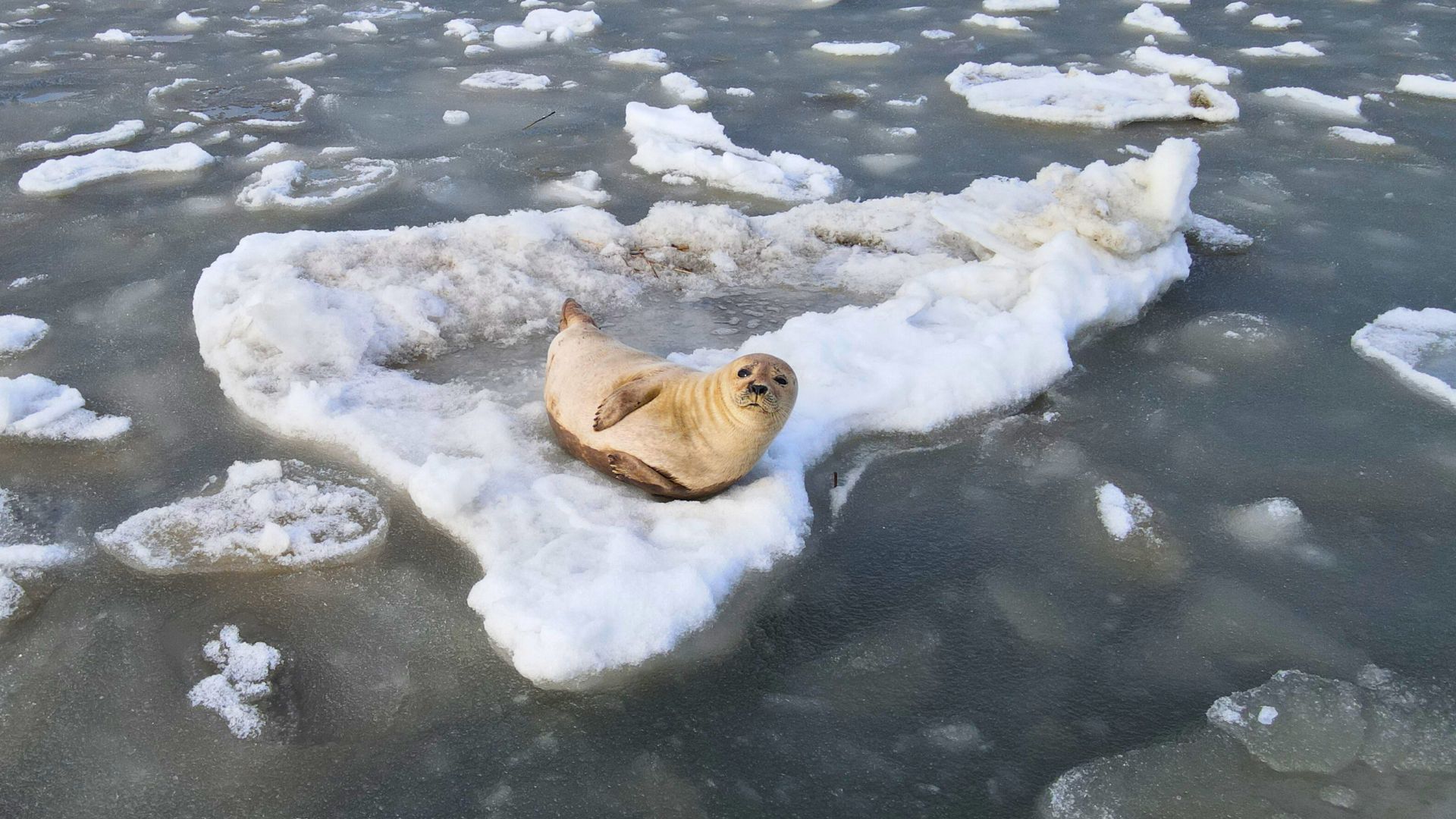
The seal was filmed calmly lounging on the ice, unfazed by nearby activity, creating a striking scene rarely seen along the Jersey Shore.
Seal Spotted Resting on Iceberg in Cape May Canal
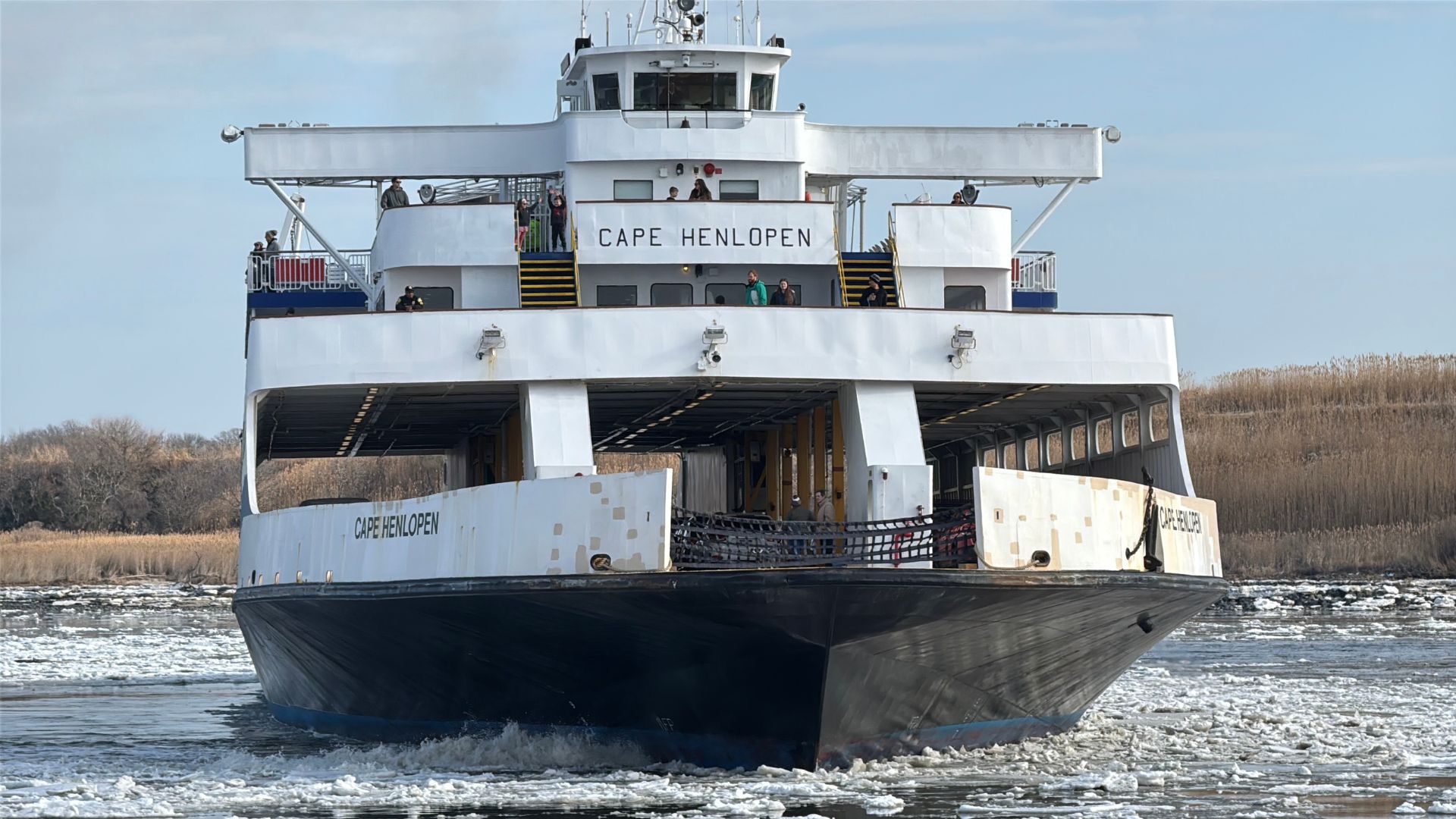
This was definitely not on our bucket list for things to do today, but the Wildwood Video Archive team planned to stop by the Cape May Ferry to film the ice flow coming down the canal and how the ferry gets through it.
As the WVA arrived, visitors pointed out a seal who was laying on top a small iceberg or sheet of ice traveling down the Cape May Canal.
What was originally supposed to be a video showcasing the ferry turned into a video showcasing an adorable seal sun bathing.
You can watch the full video at the bottom of this article.
*** To make it clear, you cannot take these videos or photos – If you would like to purchase a license you can email us at WildwoodVideoArchive@gmail.com
 While it may look out of place, wildlife experts say this behavior is completely normal for this time of year.
Harbor seals are seasonal visitors to New Jersey waters, typically appearing between January and March. During colder months, they migrate south following fish populations and take advantage of quiet haul-out spots along the coast.
Ice floes, sandbars, and empty beaches provide ideal resting areas where seals can conserve energy between feeding trips.
 North Cape May, located at the southern tip of New Jersey, sits along an important marine migration corridor.
Each winter, seals are occasionally spotted throughout Cape May County, especially during prolonged cold snaps when ocean temperatures drop and ice forms in protected areas.
The seal seen in this video appears healthy and relaxed, showing no signs of distress.
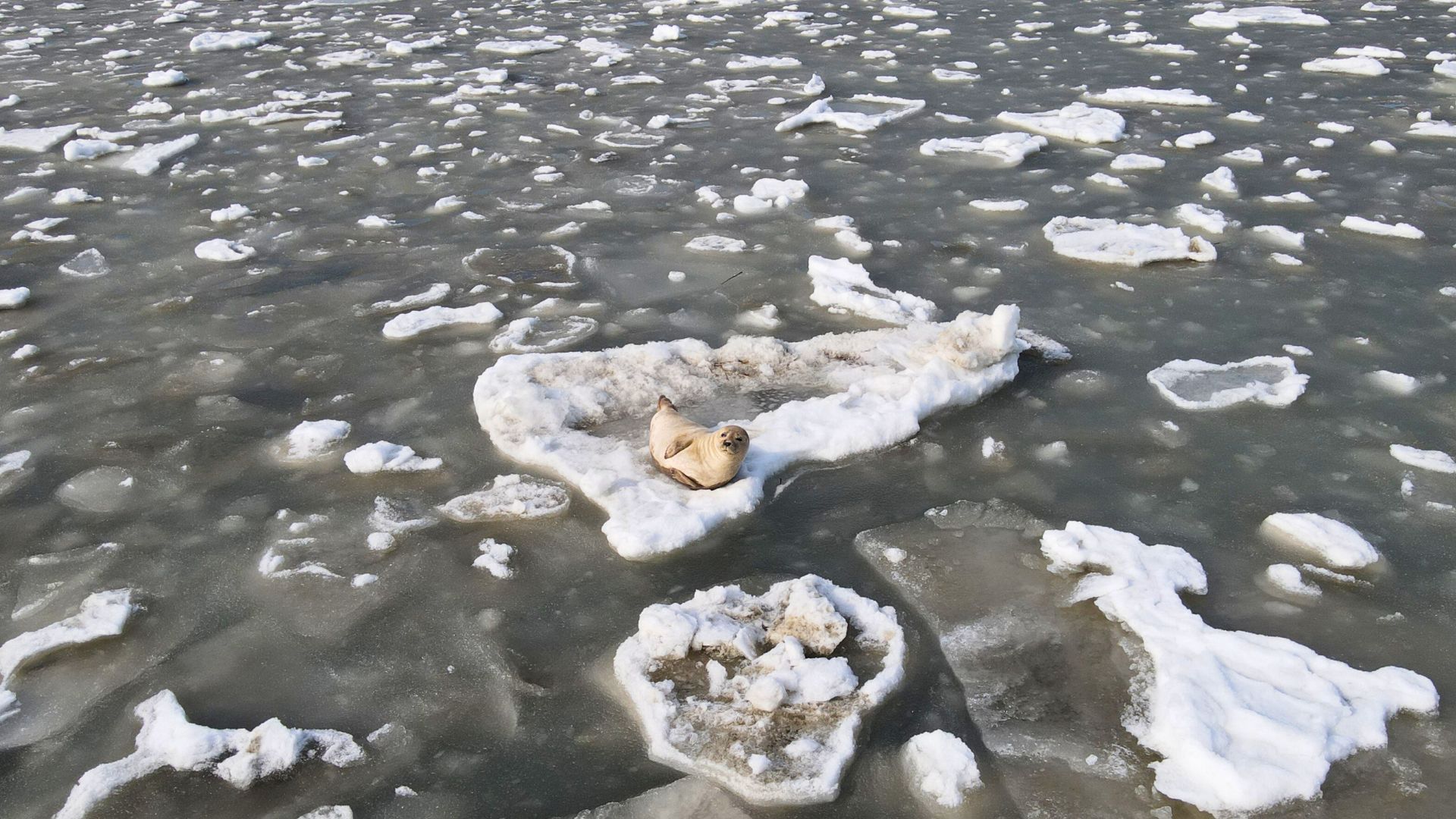 Harbor seals often rest for long periods out of the water, and it is common for them to appear motionless while hauled out.
This can sometimes cause concern among beachgoers unfamiliar with seal behavior, but resting is a normal and essential part of their daily routine.
Wildlife officials remind the public that seals are protected under the Marine Mammal Protection Act.
 Our Seagull, aka drone, was far enough away that it wasn’t bothering the seal.
If a seal appears injured, entangled, or in immediate danger, the public is encouraged to contact local authorities or the Marine Mammal Stranding Center rather than intervening directly.
Before you watch the video below, please do consider subscribing to our Youtube Channel