
South Jersey Beaches Could Get Major Funding Under New Bill
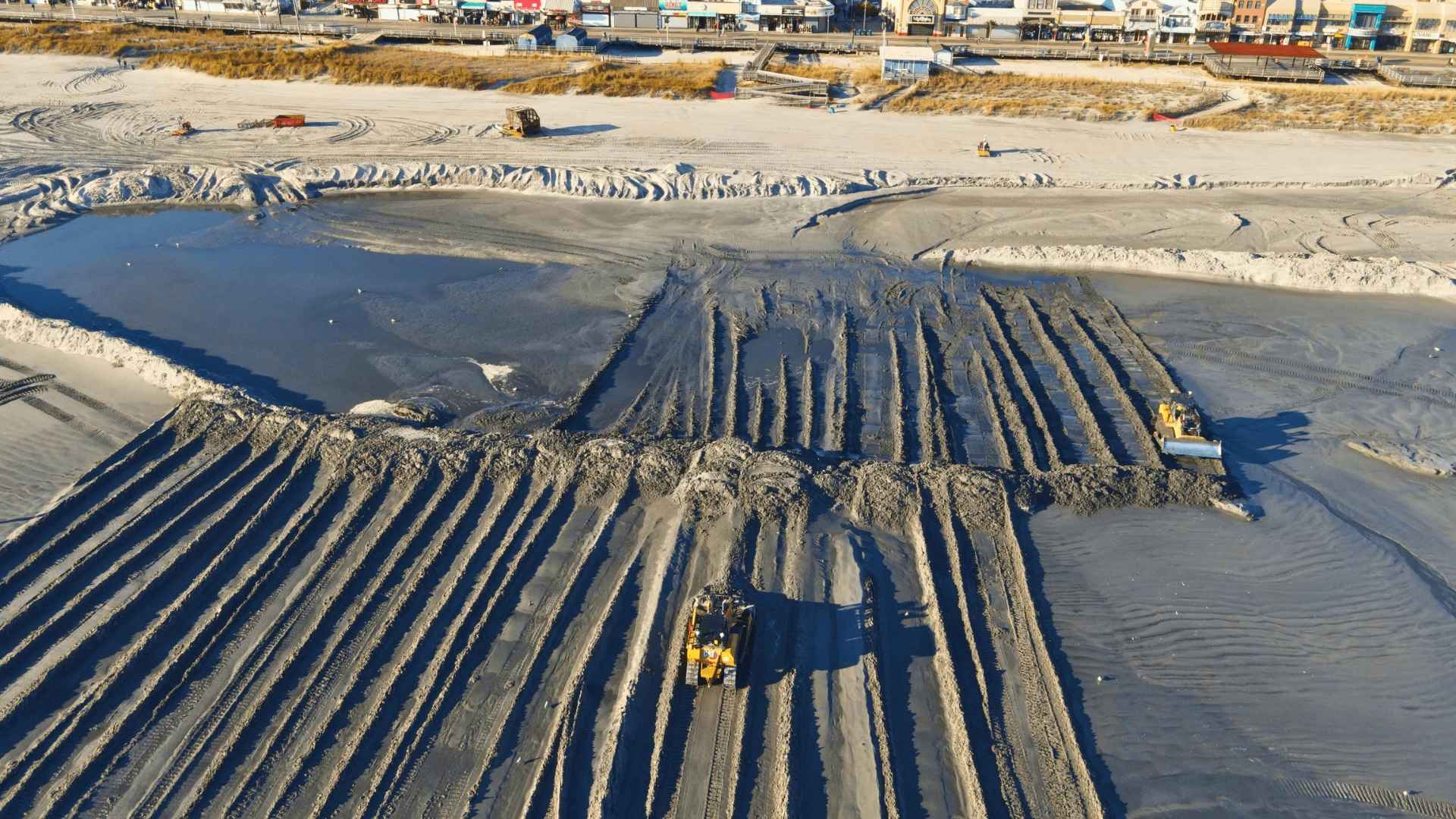
It’s no secret that South Jersey has major issues when it comes to beach erosion, and it seems like every single time we need to have a beach replenishment or nourishment project, we’re always fighting the state or another organization.
That could all change soon.
South Jersey Beaches Could Get Major Funding Under New Bill
Congressman Jeff Van Drew has introduced legislation that could change how South Jersey’s beaches are funded and protected, potentially ending.
The bill, H.R. 7459, known as the Coastal Trust Fund Act, would establish a dedicated federal funding stream for coastal storm risk management projects, including beach nourishment, dune repair, and shoreline stabilization.
For communities along the Jersey Shore, especially in Cape May County, the proposal could have long-lasting impacts.
If you want to read the full bill, click here.
 Why This Bill Matters to Cape May County
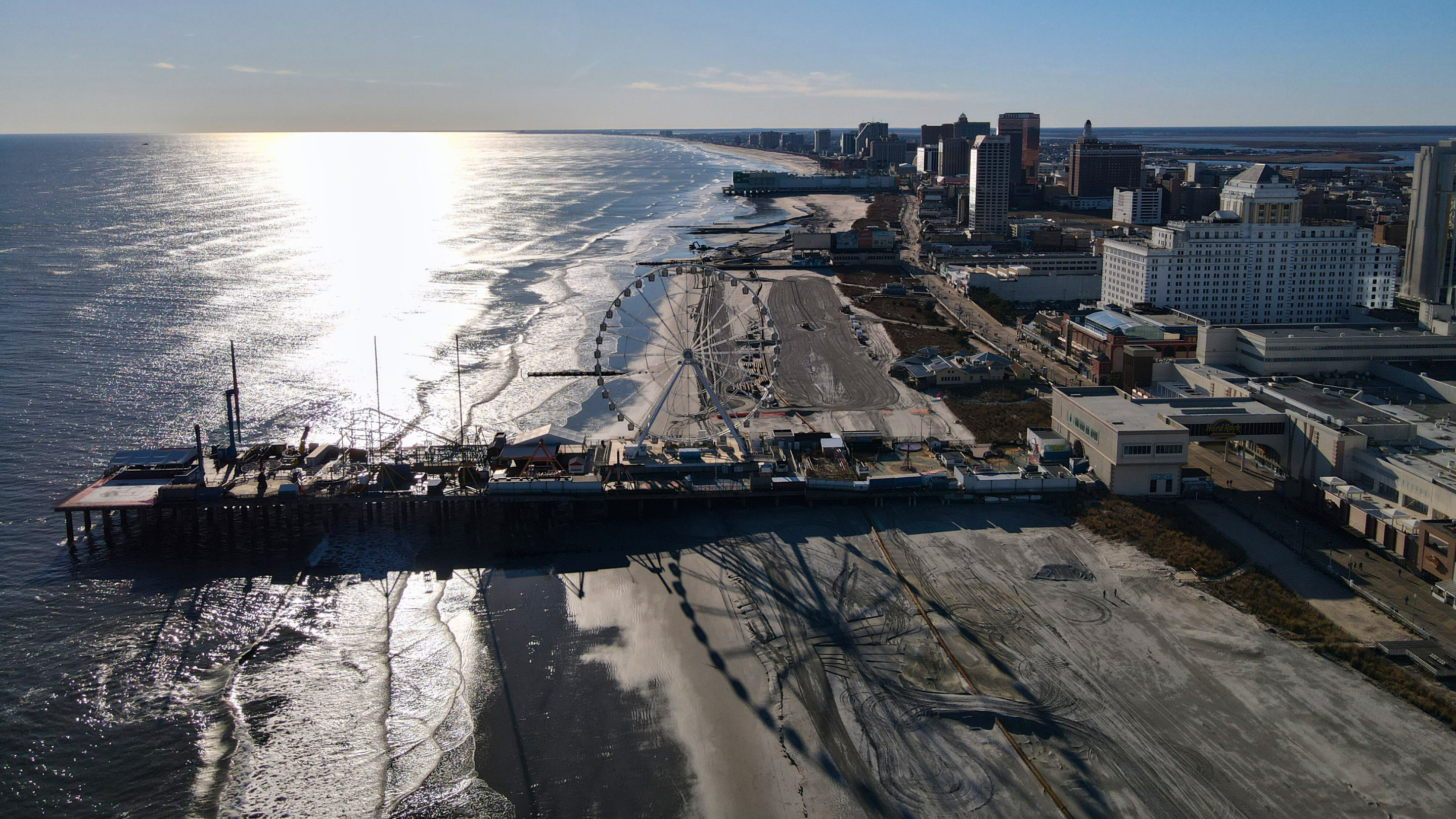
South Jersey’s barrier island towns depend on regular beach nourishment to protect homes, roads, boardwalks, and tourism economies.
Communities like Wildwood, North Wildwood, Wildwood Crest, Cape May, Sea Isle City, Avalon, and Stone Harbor all rely on federally authorized U.S. Army Corps of Engineers projects to maintain their beaches.
When funding is delayed or skipped, erosion accelerates, storm damage worsens, and local governments are often left scrambling for emergency assistance after nor’easters or hurricanes.
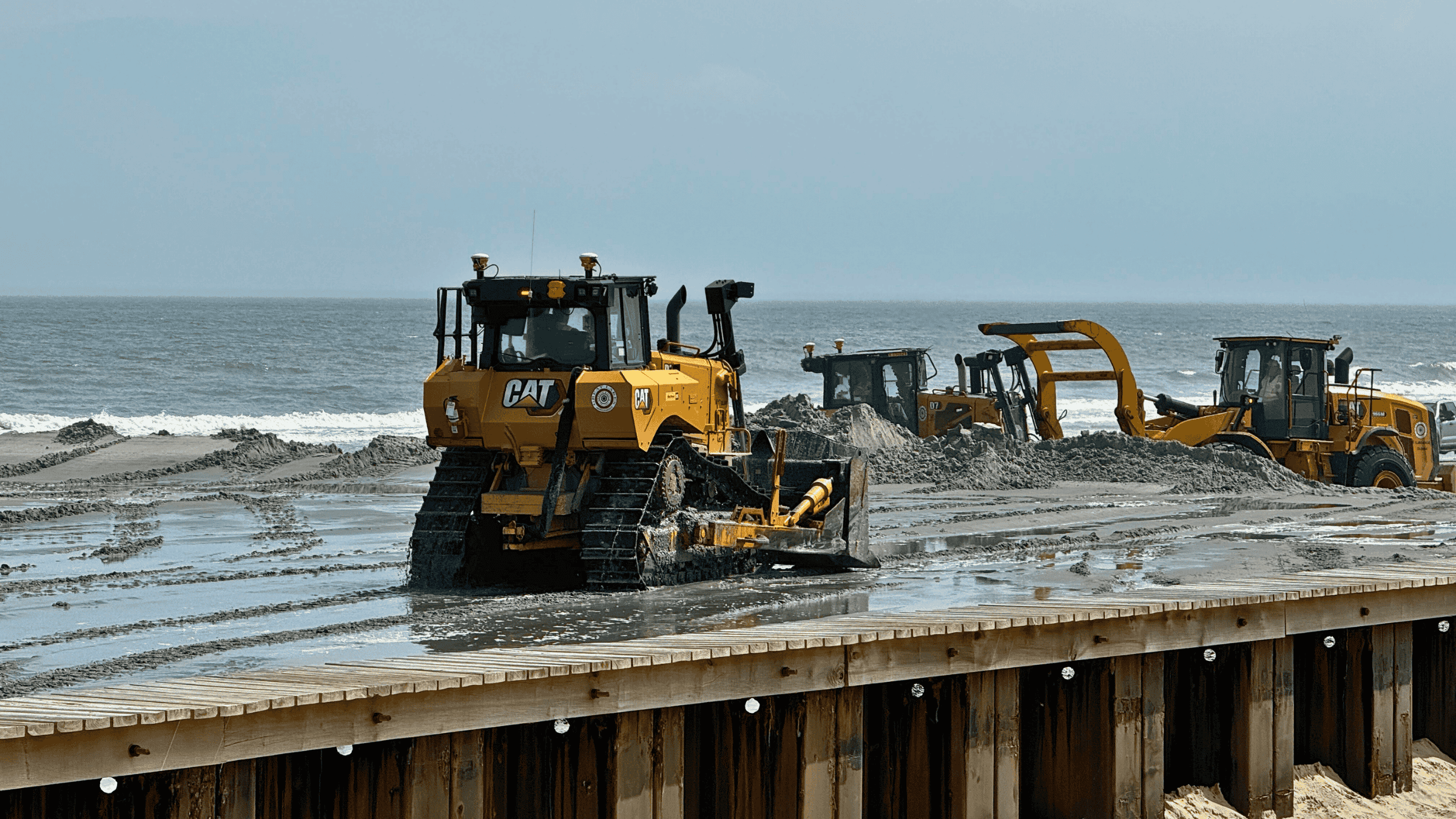 Van Drew’s proposal aims to fund protection before disaster strikes, not after.
Under the Coastal Trust Fund Act, the federal government would deposit $1 billion every year into a permanent trust fund dedicated to coastal storm risk management.
That money would be used for:
• Beach nourishment
• Dune construction and repair
• Shoreline stabilization
• Maintenance and rehabilitation of existing projects
• Storm damage reduction infrastructure
For South Jersey towns that already have federally authorized projects, this means fewer interruptions and more predictable nourishment cycles.
 No New Taxes to Fund Bill
One of the bill’s key selling points is how it is funded.
Instead of new taxes or fees, the trust fund would be financed using existing offshore energy lease revenues.
Also See: New Jersey Killed Route 55 Once. Now Trenton Is Talking About It Again
But what is an offshore energy lease revenues? These revenues are the payments the federal government collects from private companies for the right to explore, drill, and produce energy resources on offshore public lands, mainly on the Outer Continental Shelf off U.S. coastlines.
Does this mean that wind turbines could be back on the table to help pay for this? Possibly down the line yes.
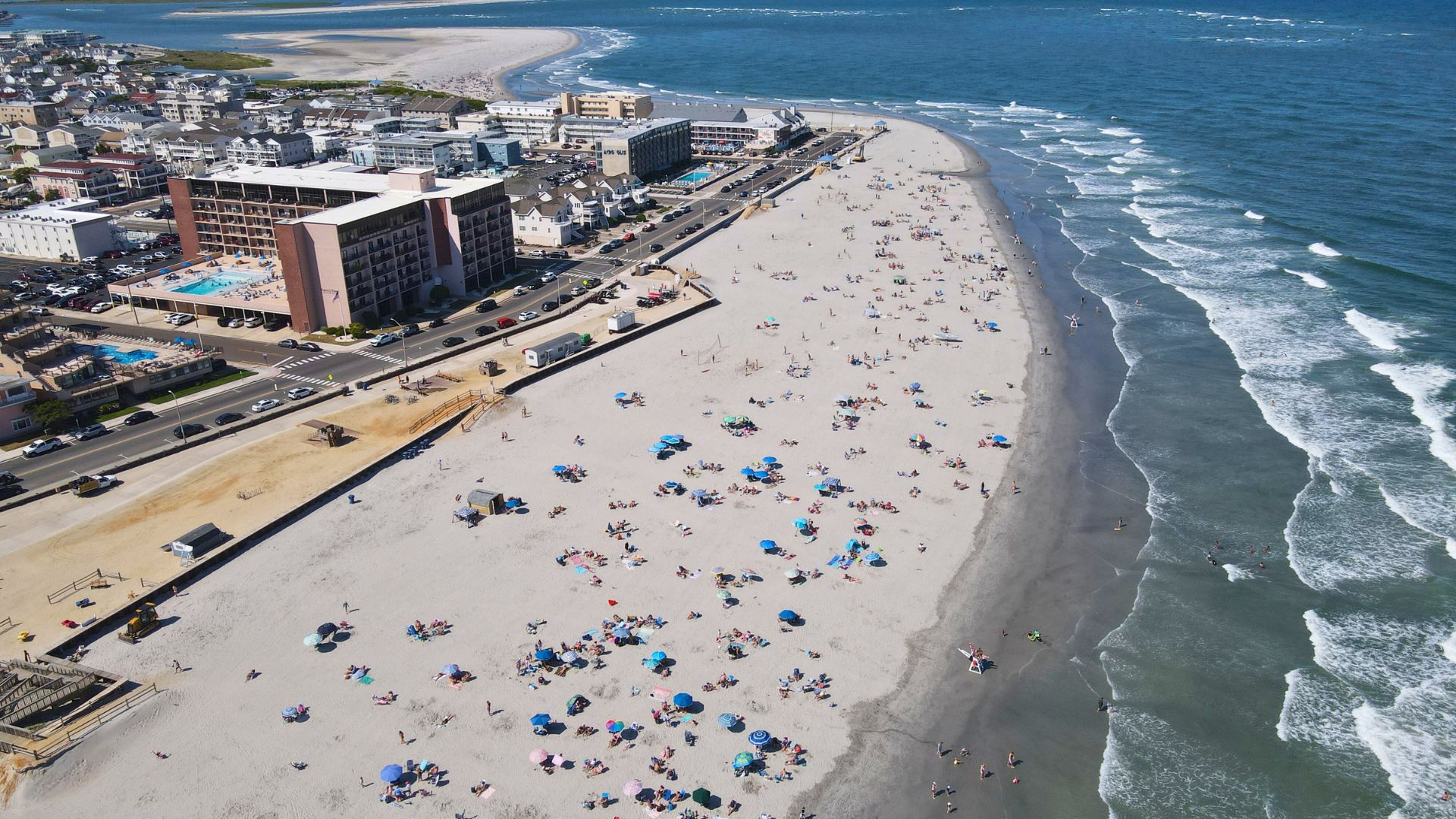 If the Coastal Trust Fund Act becomes law, South Jersey communities with authorized Army Corps projects could see:
• More consistent nourishment schedules
• Fewer emergency-only fixes after storms
• Better coordination between federal, state, and local governments
• Long-term protection for boardwalks, tourism districts, and neighborhoods
While the bill still needs to move through Congress, it represents one of the most serious federal efforts in decades to treat coastal protection as essential infrastructure, not optional spending.
H.R. 7459 has been introduced and referred to committee. From there, it must advance through the House before any Senate action which means it could be a while until this sees the light of day.