
Tsunami Warning Test in South Jersey Scared Residents
For a brief moment around 12:30 p.m. on February 17, residents across parts of South Jersey experienced confusion and concern after a tsunami warning alert appeared on phones and emergency notification systems.
The alert was issued by the National Weather Service Tsunami Warning Center and spread quickly through communities near the coast.
Tsunami Warning Test in South Jersey Scared Residents
Many, like us, who saw the message did not read the full alert, was quite confused and worried. Some immediately took to social media, asking what was happening.
Within minutes, speculation and anxiety grew as people tried to determine if a real threat existed.
Screenshots of the alert circulated rapidly, with some residents unsure if the warning applied locally or was triggered by an offshore event.
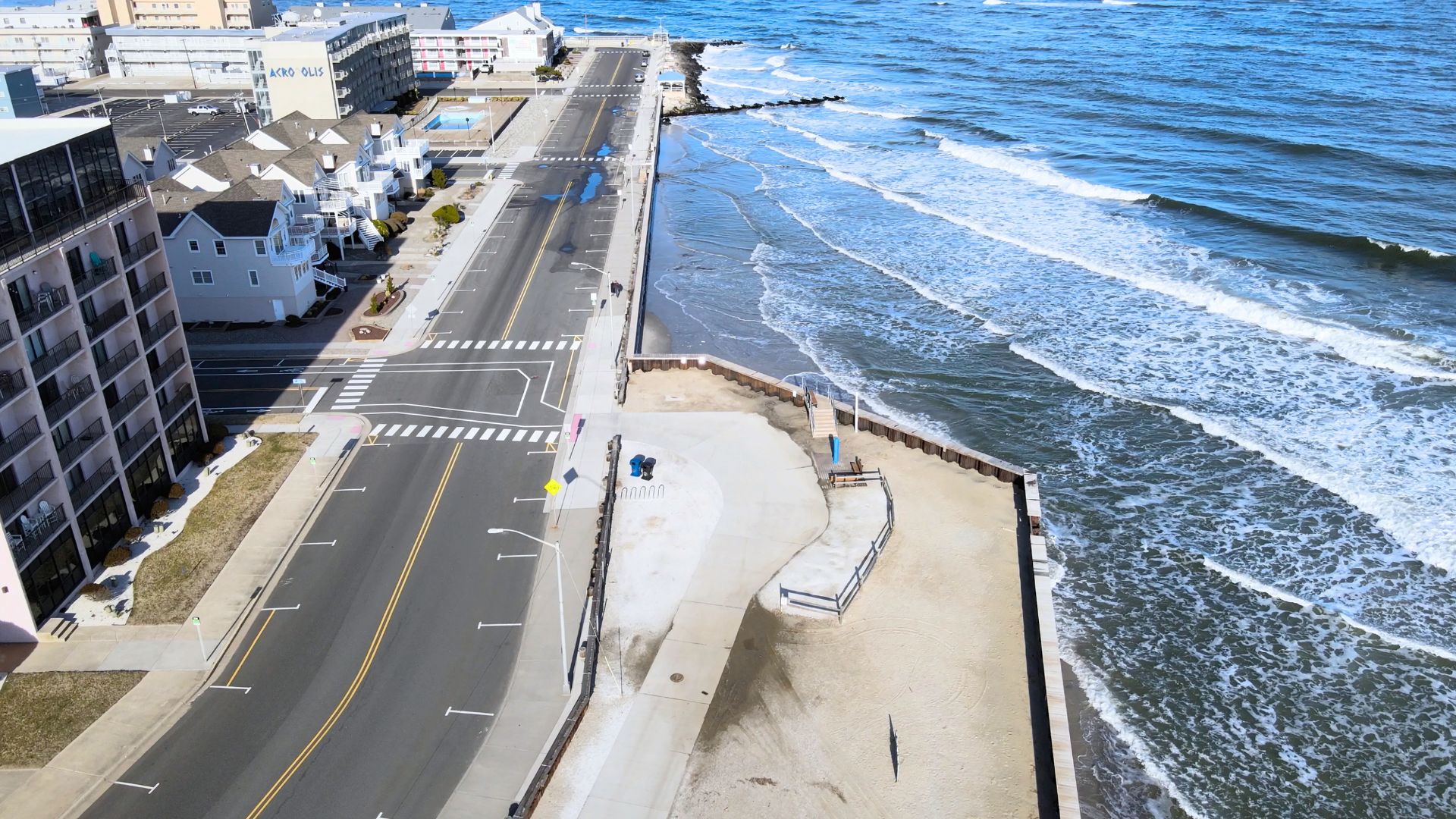 However, the warning was not related to an actual tsunami threat. It was part of a test of the national tsunami warning system.
If only some of us read the “test” part of the text.
Also See: Wildwood Beach Boxes Go On Sale February 17 With No Price Increase
A Drill With Limited Advance Notice
According to the National Weather Service, the Tsunami Warning Center had planned to conduct a system test at 12:30PM until 1:30PM on February 17.
These tests are designed to ensure emergency alert systems function properly and that messages can be delivered quickly to the public if a real emergency occurs.
 While the test itself was legitimate, many residents said they were unaware it was scheduled.
Unlike some emergency drills that are widely publicized ahead of time, there appeared to be limited local outreach or public messaging warning residents that a test alert would be issued.
As a result, those who received the alert without context assumed the warning was real, at least initially.
Looking online, the only official message we saw came from the Cape May County Government Facebook page saying, THIS IS ONLY A DRILL.This weather bulletin was sent today as part of a test of the National Weather Service’s updated messaging platform.”
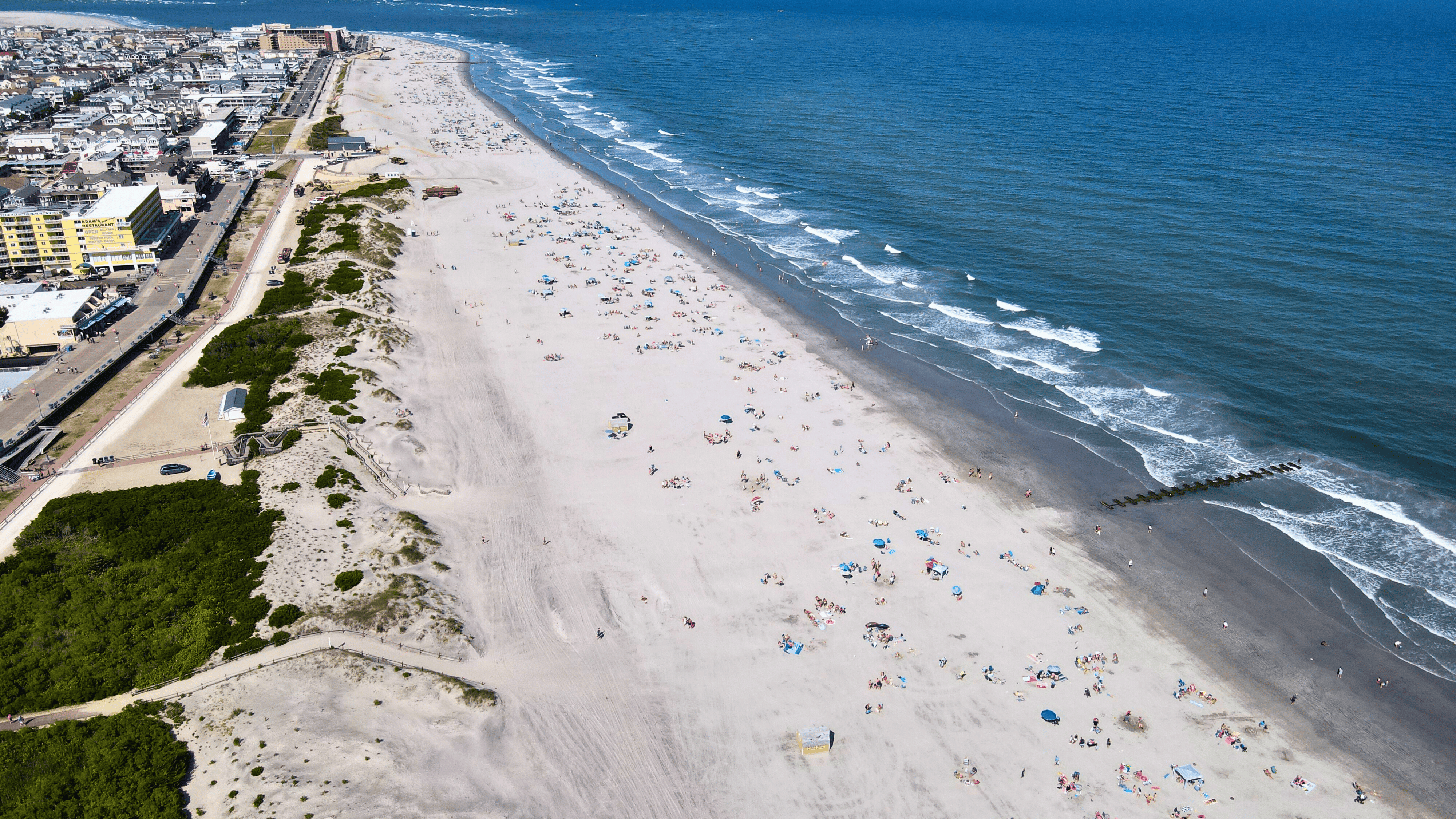 They clarified later that “This warning DID NOT originate from the Cape May County OEM.” and that “So no tsunami expected!!! Sorry for any confusion this may have caused our residents.”
Why These Tests Matter
Emergency officials emphasize that alert system tests are critical for public safety, especially in coastal regions. While tsunamis are rare along the East Coast, the systems must be ready to operate without delay in any scenario.
Still, Monday’s reaction underscores the importance of advance communication.
Even brief public notice can prevent unnecessary fear while maintaining the effectiveness of emergency preparedness efforts.
The grand question is, did you get this message? If so how did you react?