
Why Jersey Shore Beaches Keep Closing After Rain
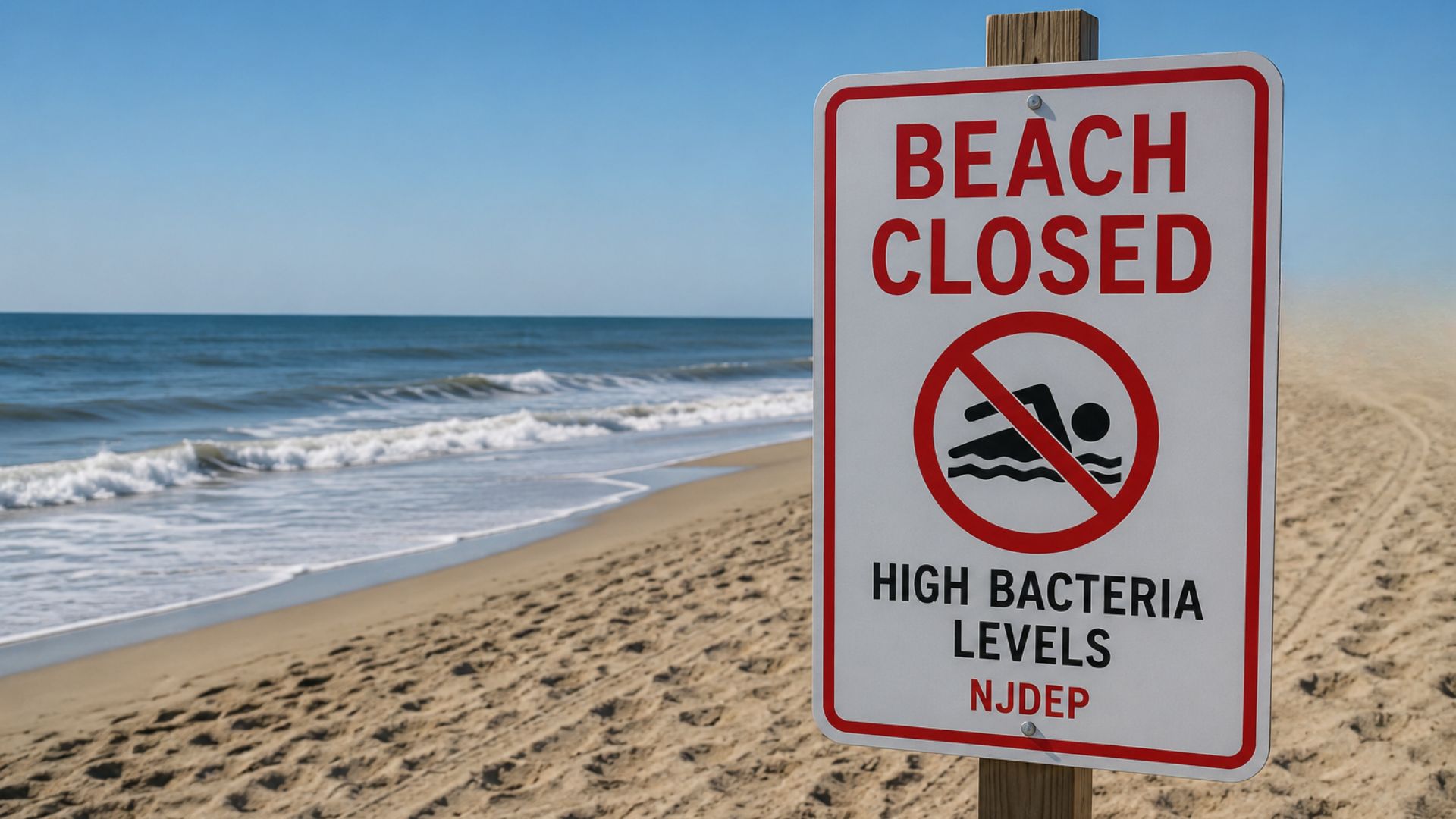
Three New Jersey beaches were temporarily closed this week after water testing found elevated levels of fecal bacteria, a situation that often raises concern among beachgoers.
The beaches affected by this were located in Highlands, Belmar, and Sea Girt, where the New Jersey Department of Environmental Protection (NJDEP) detected high levels of enterococcus bacteria following several days of heavy rain.
While hearing the words “fecal bacteria” sounds alarming, these types of beach advisories are actually far more common than many people realize, especially after major storms.
A New NJ Bill Could Change Who Pays to Go to the Beach
So why does this keep happening?
A quick shout-out to one of our readers who sent me this question. And so this is what is understood.
The answer starts with rain.
Also See: New Jersey Senate Recognizes Open Water Lifeguards as First Responders
When South Jersey experiences heavy downpours, millions of gallons of water rush off roads, parking lots, neighborhoods, farms, parks, and yards before eventually making their way into nearby streams, rivers, bays, and ultimately the ocean. Along the way, that runoff collects everything in its path.
 That includes animal waste from dogs, Canada geese, seagulls, ducks, deer…. you name it. Fertilizers, oils, trash, and other pollutants are also swept into the stormwater system.
Many people assume these warnings mean raw sewage is pouring directly into the ocean. While sewage overflows can happen during extreme weather events in some communities, they’re not usually the primary reason for these beach advisories. Most of the bacteria detected after storms comes from stormwater runoff carrying waste from both urban areas and wildlife habitats.
Storm drains also play a major role.
Unlike sanitary sewer systems, storm drains generally do not send water to a treatment plant. Instead, they’re designed to move rainwater away from neighborhoods as quickly as possible to prevent flooding. That water is discharged directly into nearby creeks, rivers, back bays, or the Atlantic Ocean.
Hense why when you see a strom drain, they typically have a logo or sticker on it that says something ‘drains into the ocean.’
 After a large storm, those drainage systems can carry significant amounts of bacteria into the water, temporarily increasing contamination levels.
Here in Cape May County, the same process happens every time we receive heavy rainfall.
Whether it’s Wildwood, North Wildwood, Wildwood Crest, Cape May, Stone Harbor, Avalon, Sea Isle City, or Ocean City, runoff eventually flows into our back bays and the Atlantic. That’s why local beach advisories are much more likely to occur after several inches of rain than during long stretches of dry weather.
The good news is these closures are usually short-lived.
 New Jersey routinely tests water quality at public beaches throughout the summer. Scientists collect water samples and measure bacteria levels, including enterococcus, which serves as an indicator that contamination may be present. It doesn’t necessarily mean the bacteria itself will make you sick, but elevated levels suggest the water could contain organisms capable of causing stomach issues, skin infections, ear infections, or eye irritation.
Once additional testing confirms bacteria levels have fallen below state health standards, beaches are reopened.
So if you’ve ever wondered why beaches sometimes close immediately after a storm but reopen a day or two later, it’s because the contamination is usually temporary.
Hopefully that answered your question!