
Did You Know New Jersey Beach Boxes and Lifeguard Stands Are Built By Inmates?
If you have ever rented a beach box in Wildwood or Wildwood Crest, or passed a lifeguard stand along the shoreline, there is a good chance it was built through a New Jersey Department of Corrections vocational program designed to prepare inmates for life after release.
Behind the scenes, these familiar beach fixtures are produced by incarcerated individuals enrolled in a state run carpentry training initiative that blends rehabilitation, workforce development, and cost savings for shore communities.
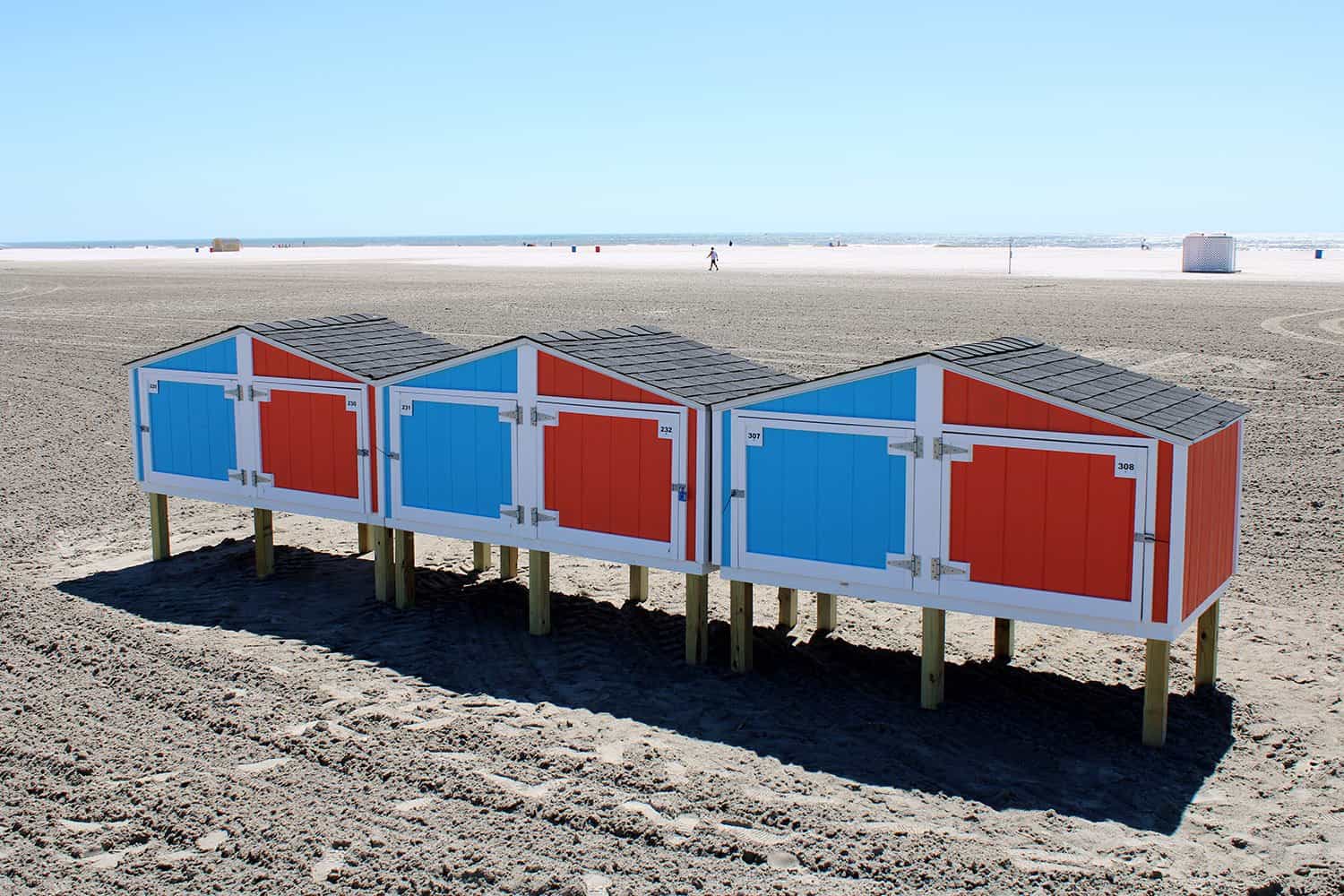
2022 Wildwood Crest Beach Box
A State Run Vocational Program With a Purpose
The program is operated by the New Jersey Department of Corrections under the DeptCor Bureau of State Use Industries. It is a structured vocational carpentry program that allows selected inmates to work under minimum supervision while learning real world construction skills.
The primary goal is reentry preparation. Participants are taught practical, employable trades that can help them secure jobs once released, while also promoting responsibility and rehabilitation during incarceration.
 What Inmates Are Building for Shore Towns
Through this program, inmates construct a wide range of durable wood products used by state and local governments, including many items seen daily along the Jersey Shore.
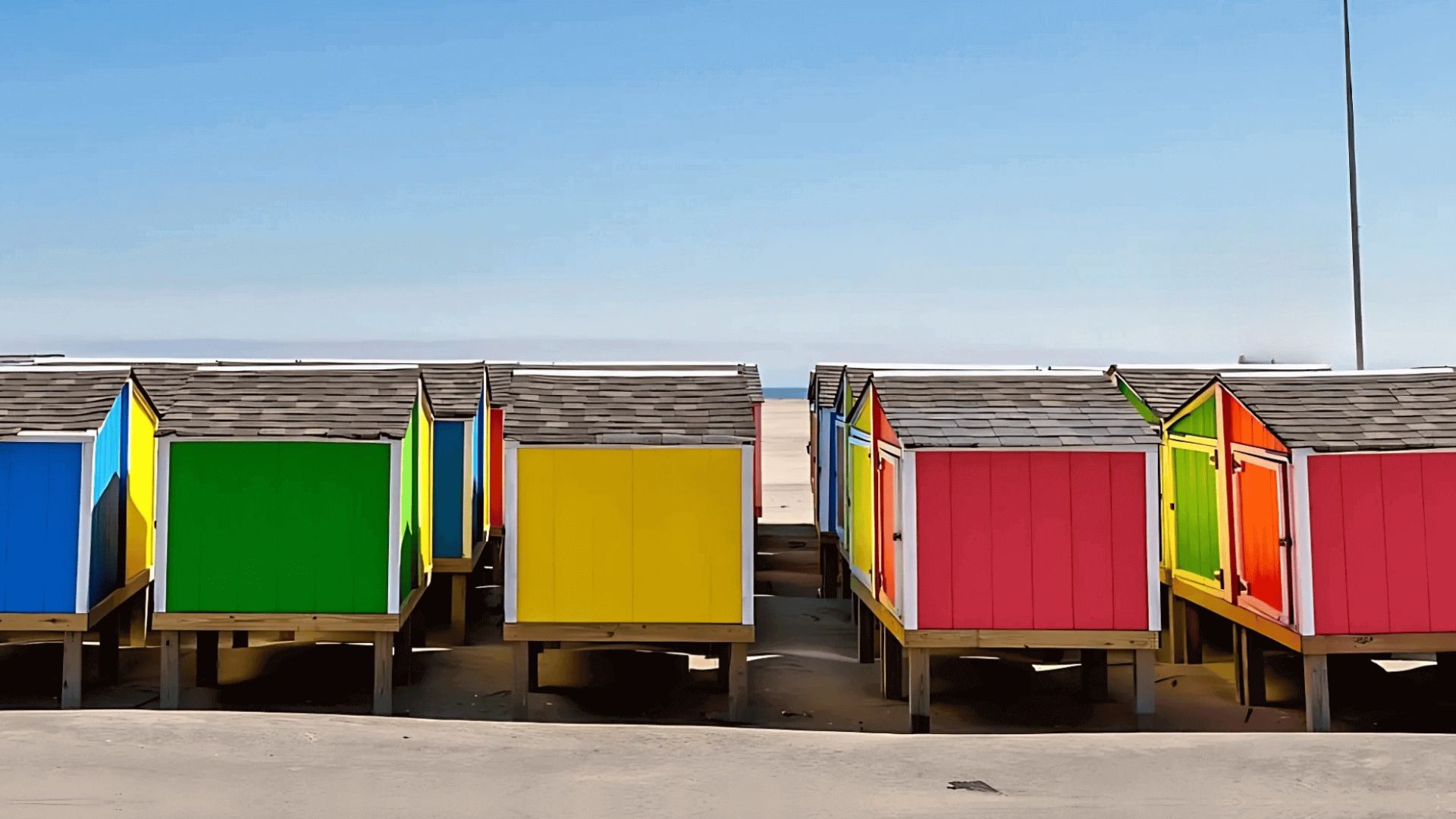
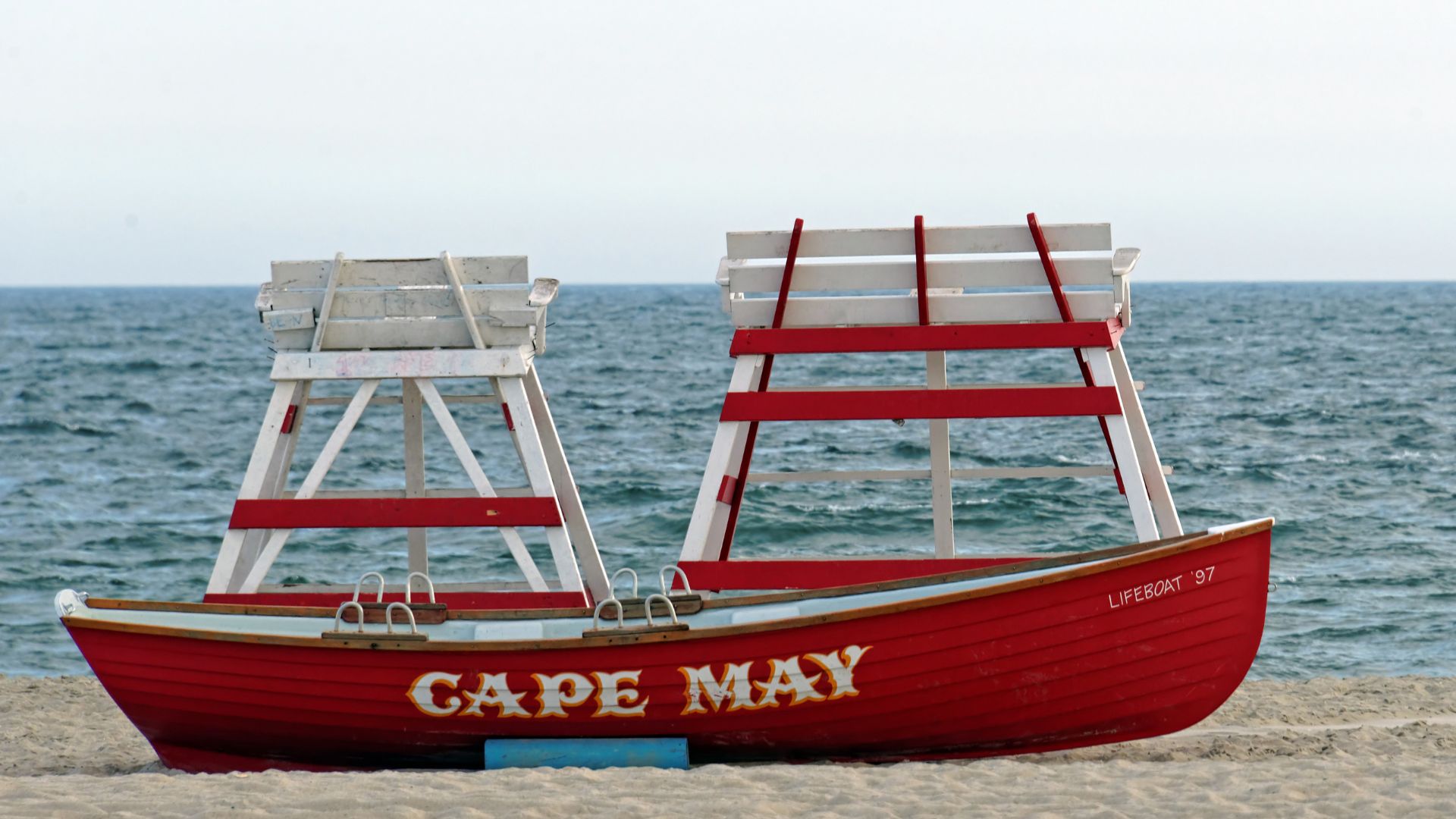
These include lifeguard stands installed on Atlantic Coast beaches, beach boxes and storage lockers rented to beachgoers in Wildwood and Wildwood Crest, benches and wooden walkways on public beaches, and additional items such as sheds and park benches for municipal use.
These are not practice pieces. They are functional structures built to withstand coastal conditions and daily public use.
Also See: Trump Administration Halts Offshore Wind Projects With Potential Impact on New Jersey
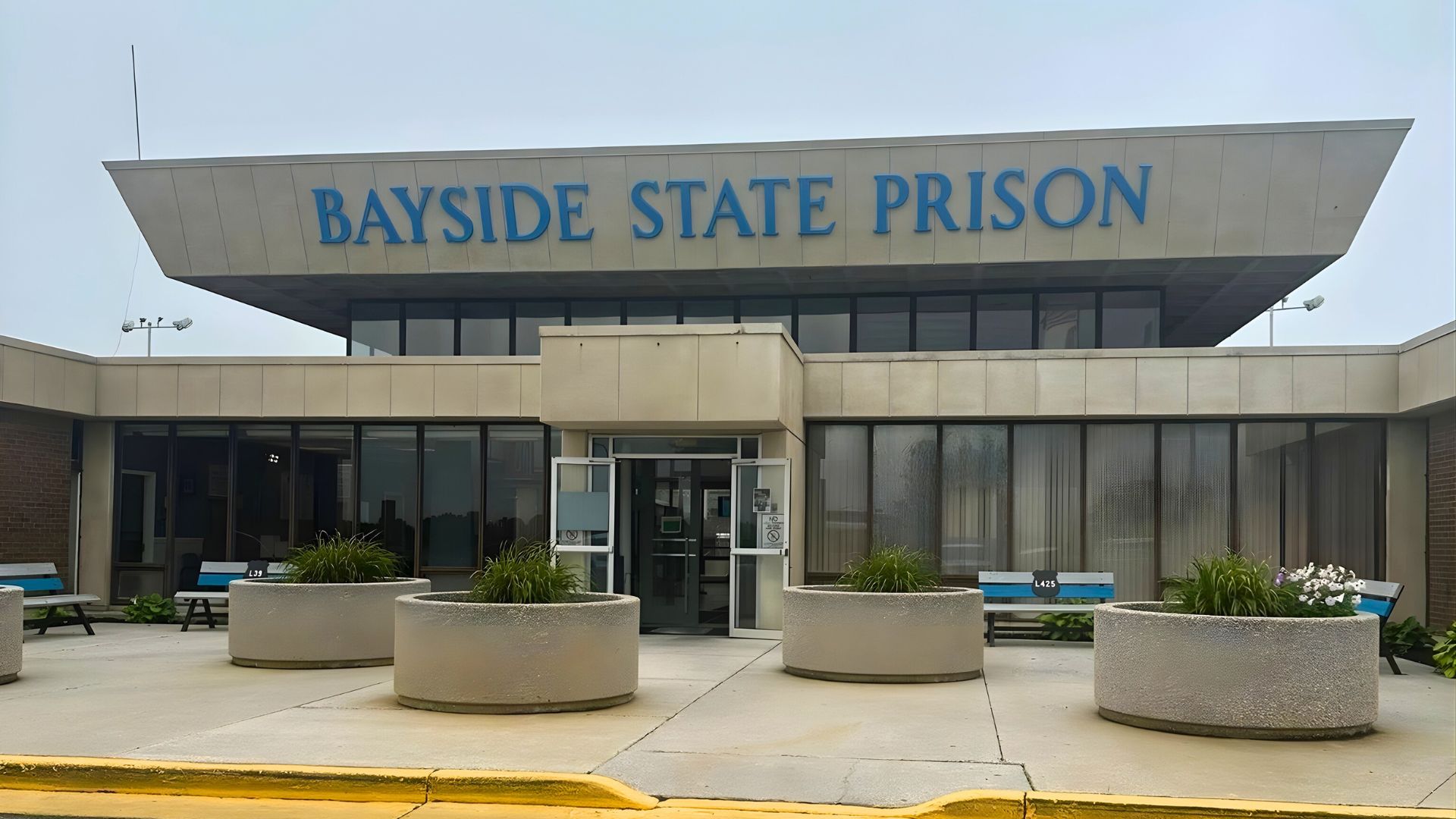
Construction takes place inside correctional facilities such as Bayside State Prison and the Garden State Youth Correctional Facility.
Over the past several years, inmates in the program have produced dozens of lifeguard stands serving Cape May County and the Wildwoods, along with hundreds of beach boxes used across shore communities.
Many beachgoers never realize the connection, but these structures are a direct result of the program’s output.
 Skills Training and Inmate Benefits
Participants receive hands on instruction in carpentry and construction techniques that translate directly to the job market. Inmates also receive a small daily stipend of approximately five dollars for their work.
More importantly, instructors focus on job readiness, accountability, and workplace habits that can improve employment prospects after release. The program is designed to reduce recidivism by equipping participants with tangible skills and experience.
Why Municipalities Use These Products
The items produced through the DeptCor program are part of a state catalog that allows municipalities to purchase them directly without going through traditional bidding processes.
This structure helps towns save taxpayer dollars while simultaneously supporting rehabilitation and workforce training. For shore communities like Wildwood and Wildwood Crest, it offers a cost effective way to maintain essential beach infrastructure.
 Legal Framework Behind the Program
The carpentry initiative operates under New Jersey statutes that authorize vocational training programs within the correctional system. While the laws are not specific to beach boxes or lifeguard stands, they provide the legal foundation that allows programs like this to exist and expand.
Part of a Broader Reentry Strategy
The carpentry program is just one component of a larger NJDOC effort focused on reentry and skill development. The department also participates in initiatives such as NJLEAD, vocational education partnerships, and other workforce readiness programs aimed at preparing incarcerated individuals for successful reintegration into society.
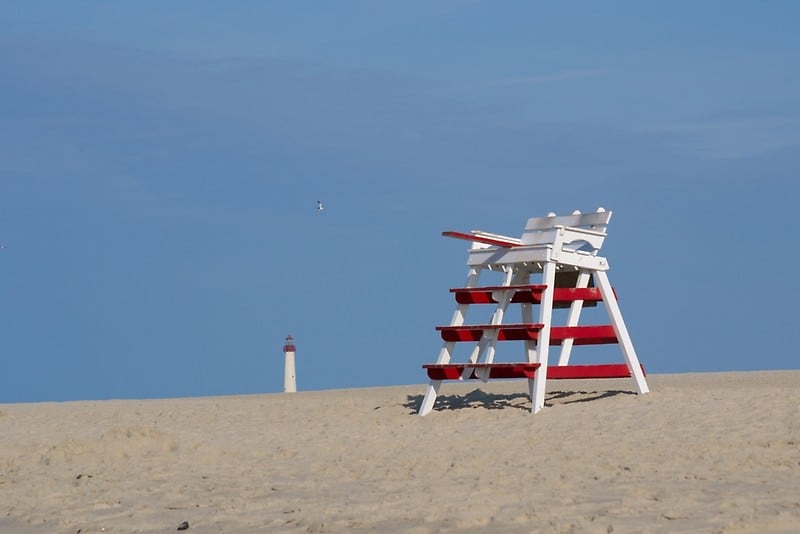
Cape May LifeGuard Stand Struck By Lightning
Public Recognition of the Work
NJDOC officials have publicly acknowledged the program and encouraged the public to take note of the products along New Jersey’s beaches.
In several instances, department spokespeople have highlighted that these beach structures were built by incarcerated individuals working to rebuild their futures.
Next time you unlock a beach box or walk past a lifeguard stand in Wildwood, you are looking at more than just beach equipment.
You are seeing a rehabilitation program in action, one that supports public safety, workforce development, and the communities that rely on these shore essentials every summer.