
Behind the Scenes of Wildwood’s New Tram Cars and the People Saving the Legacy
For generations, one phrase has echoed across the Wildwood Boardwalk “Watch the tram car, please.”
It’s a sound that instantly brings back beautiful memories of summer vacations, late-night rides, and one of the most recognizable traditions at the Jersey Shore.
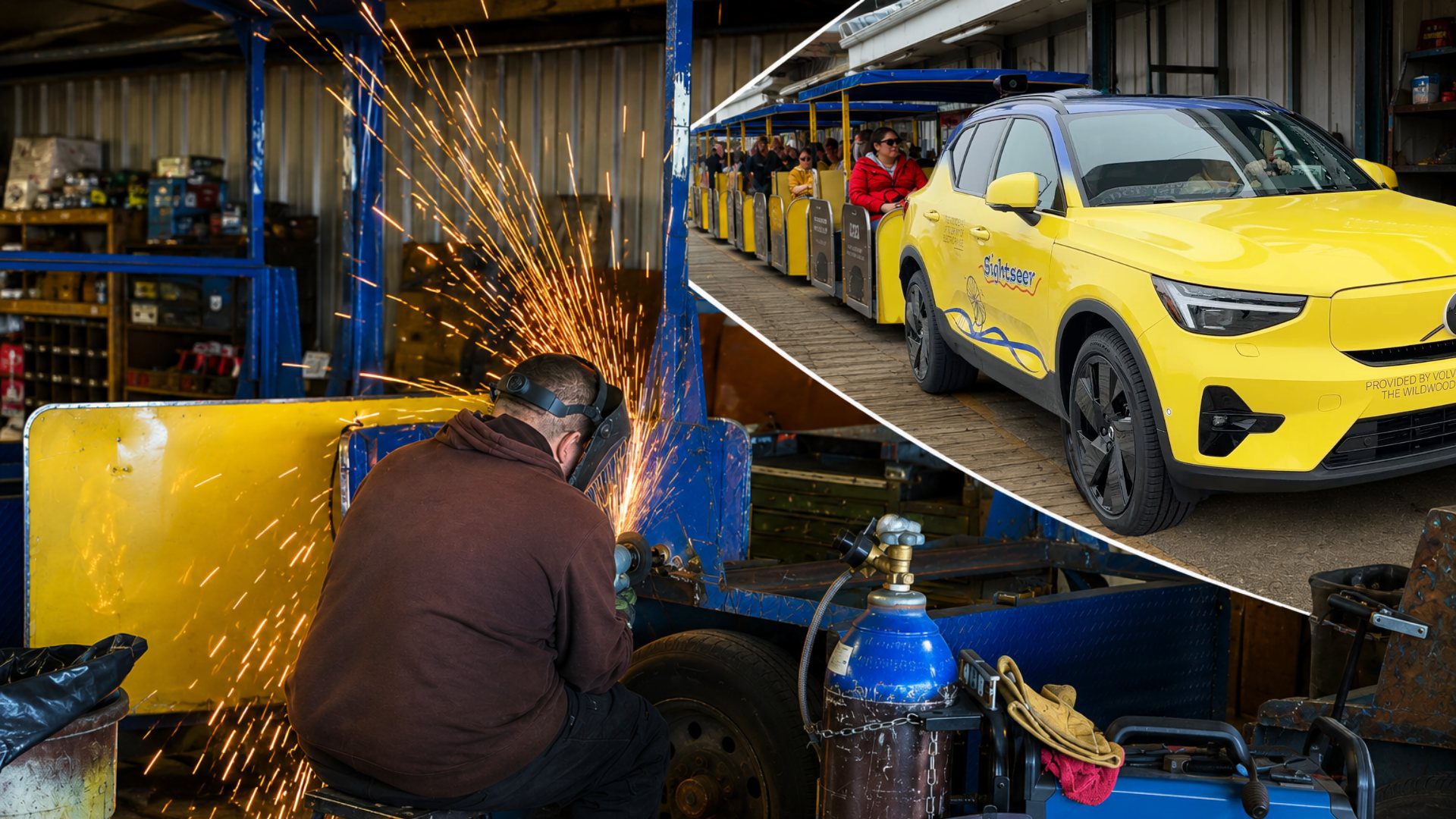
Behind the Scenes of Wildwood’s New Tram Cars and the People Saving the Legacy
This season, however, visitors noticed something different.
Three brand-new Volvo EX40 electric vehicles have joined the Wildwood Tram Car fleet, replacing three aging units that had reached the end of their service lives. While the modern vehicles sparked debate among longtime fans, a closer look behind the scenes reveals that the real story isn’t about replacing history. It’s about preserving it.
The Wildwood Video Archive team went to Tram Car HQ to film the new tramcars and to showcase the team working to restore the other ones. To watch that video, scroll down to the bottom of this article.
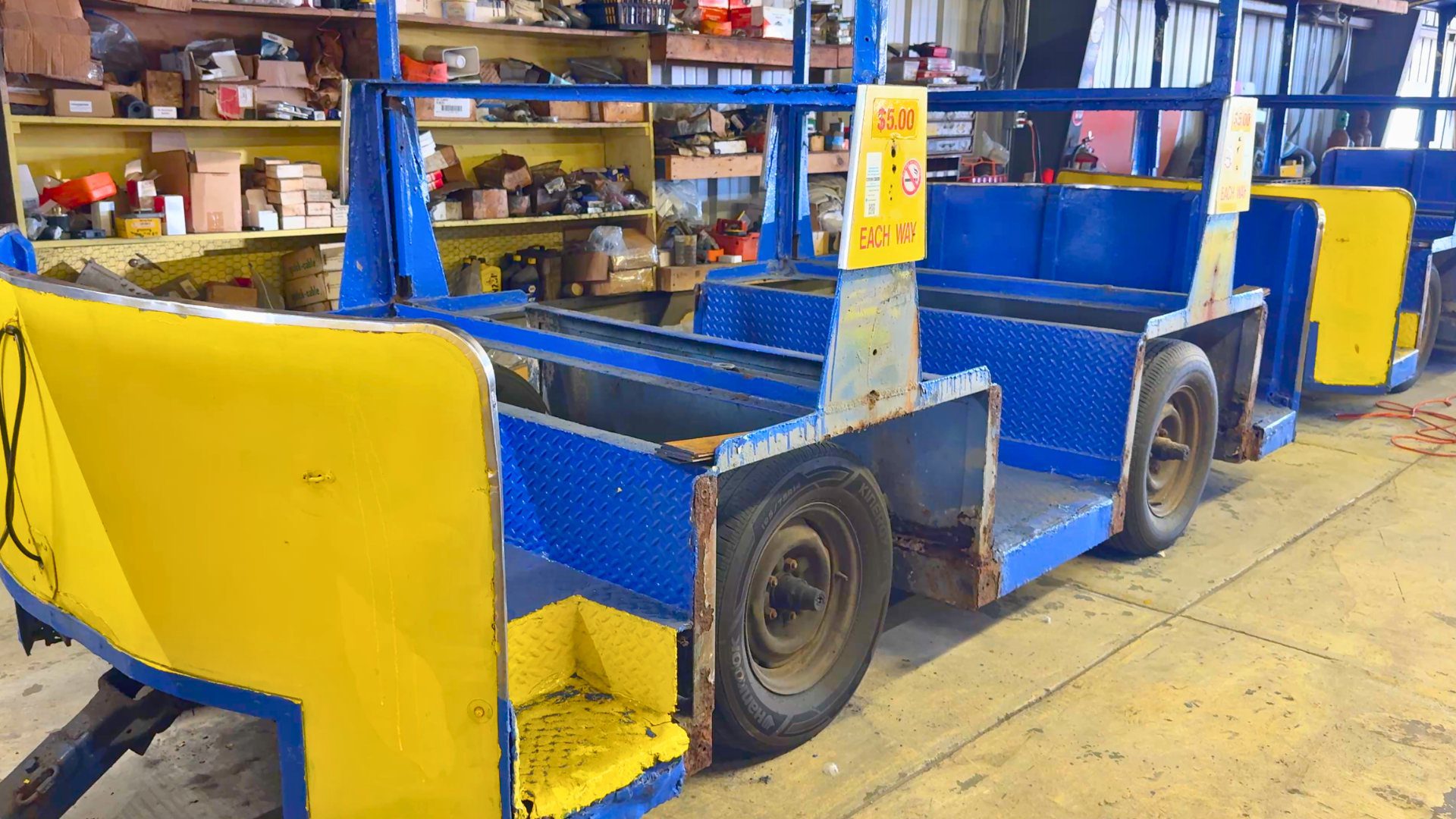 Why New Tram Cars Were Needed
Many people wondered why the existing tram cars couldn’t simply be rebuilt. The answer is pretty straightforward.
The retired units had reached a point where restoration was no longer practical or financially responsible. Many of the original components are no longer manufactured, replacement parts have become nearly impossible to source, and rebuilding them would cost hundreds of thousands of dollars.
Rather than risk shrinking the fleet and limiting service, Wildwood partnered with Volvo, which donated three new electric vehicles designed specifically to continue the tram car operation.
Without those replacements, the boardwalk could have faced a future with significantly fewer tram cars or potentially none at all.
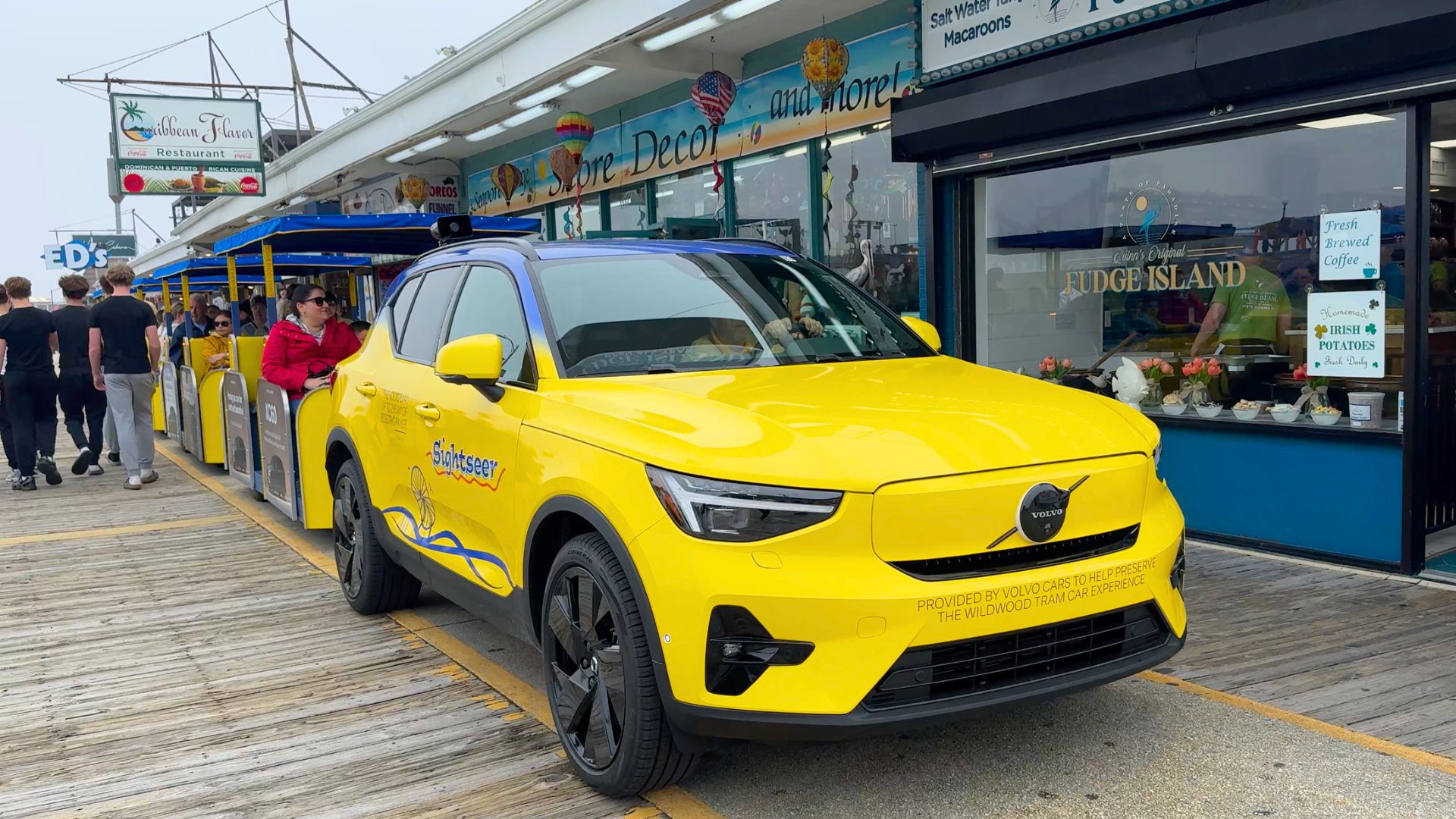 Although the new Volvo vehicles feature modern technology, their design intentionally pays tribute to the classic tram cars that generations remember.
The vehicles wear custom wraps inspired by the traditional appearance of the tram cars while incorporating safety features unavailable decades ago.
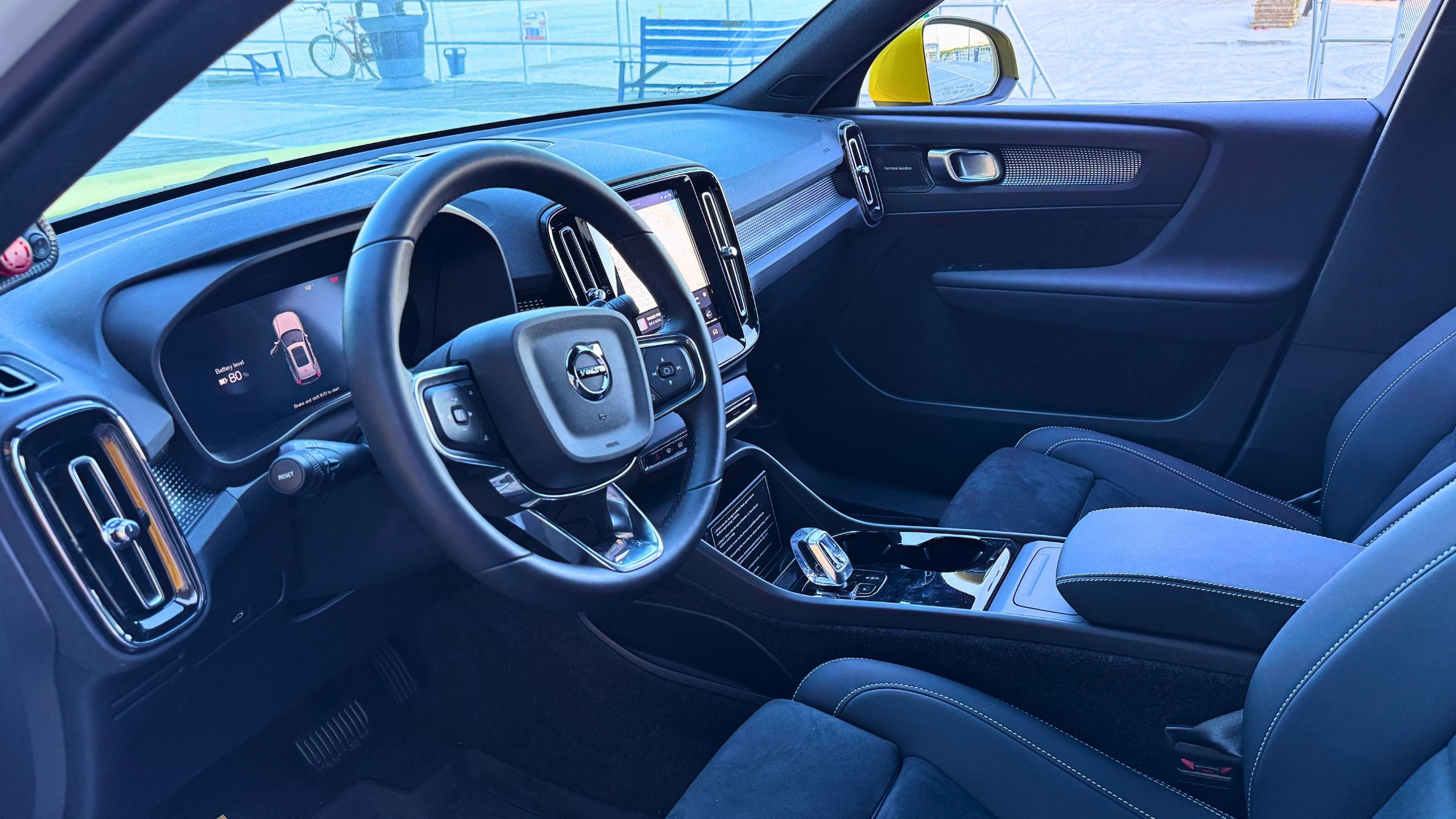
Among the upgrades are:
- A 360-degree camera system that allows operators to see around the entire vehicle.
- Obstacle detection sensors that alert drivers when pedestrians get too close.
- An electronically limited top speed of approximately 8 miles per hour.
- Faster charging capabilities that allow a full recharge in roughly six hours.
Unlike the older battery-powered tram cars that often needed to leave service early for overnight charging, the new Volvos can operate from noon until midnight and still retain roughly 70 to 75 percent of their battery capacity.
That means more consistent service for visitors throughout the day.
 The Real Story Is Inside Tram Car Headquarters
While the new vehicles may grab attention on the boardwalk, the real heart of the operation sits inside Tram Car Headquarters.
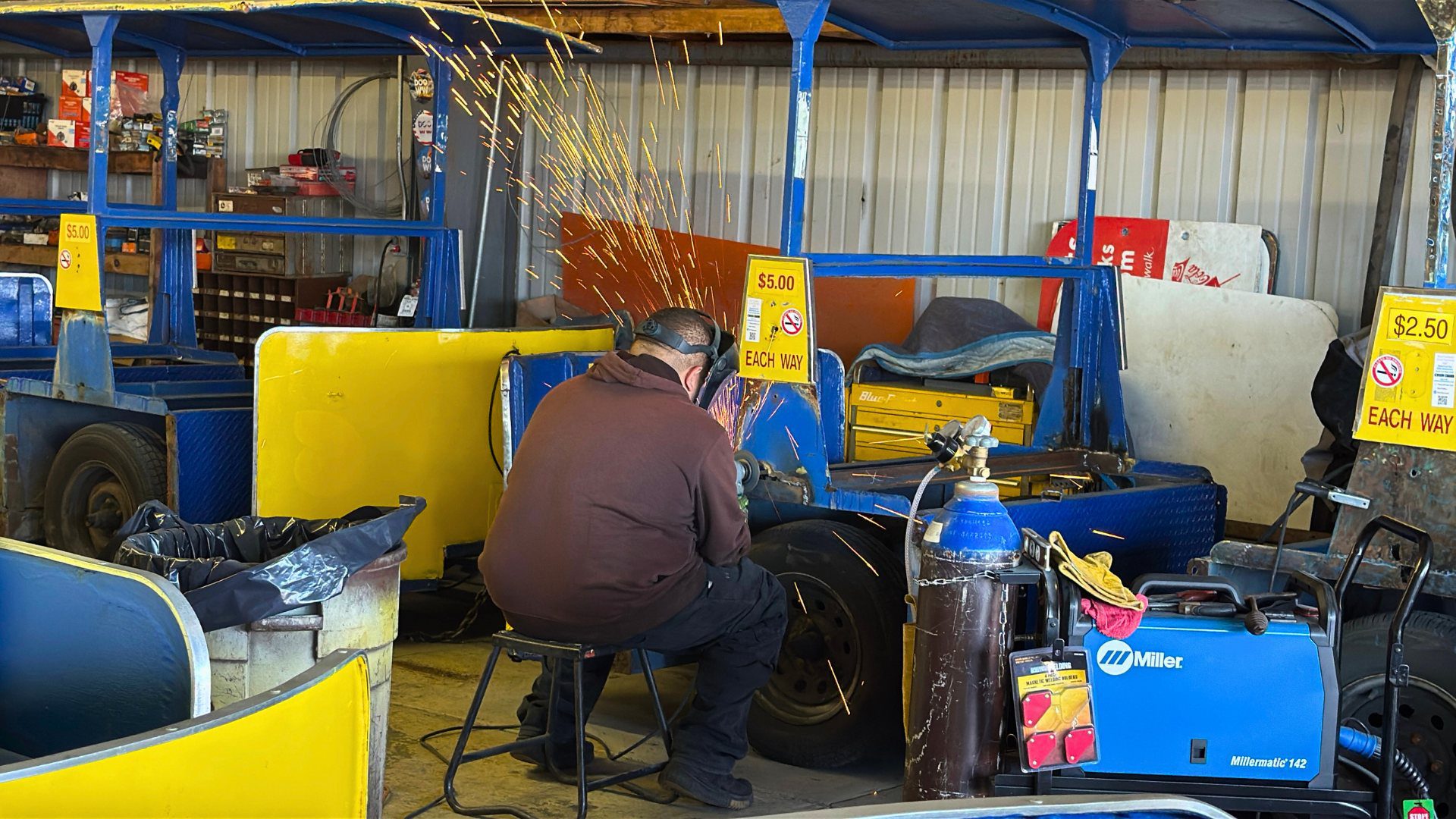
Hidden from public view is a dedicated maintenance team that spends nearly every day restoring and rebuilding the remaining historic tram cars by hand.
Some employees fabricate parts from scratch because replacements simply no longer exist.
Others weld deteriorated steel frames, install new electrical systems, replace axles, rebuild canopies, install LED lighting, and refurbish decades-old components so the historic trailers can safely continue carrying passengers.
In many cases, entire sections of the trailers are cut apart and reconstructed piece by piece.
The work is painstaking, time-consuming, and largely invisible to the thousands of riders who enjoy the tram cars every summer.
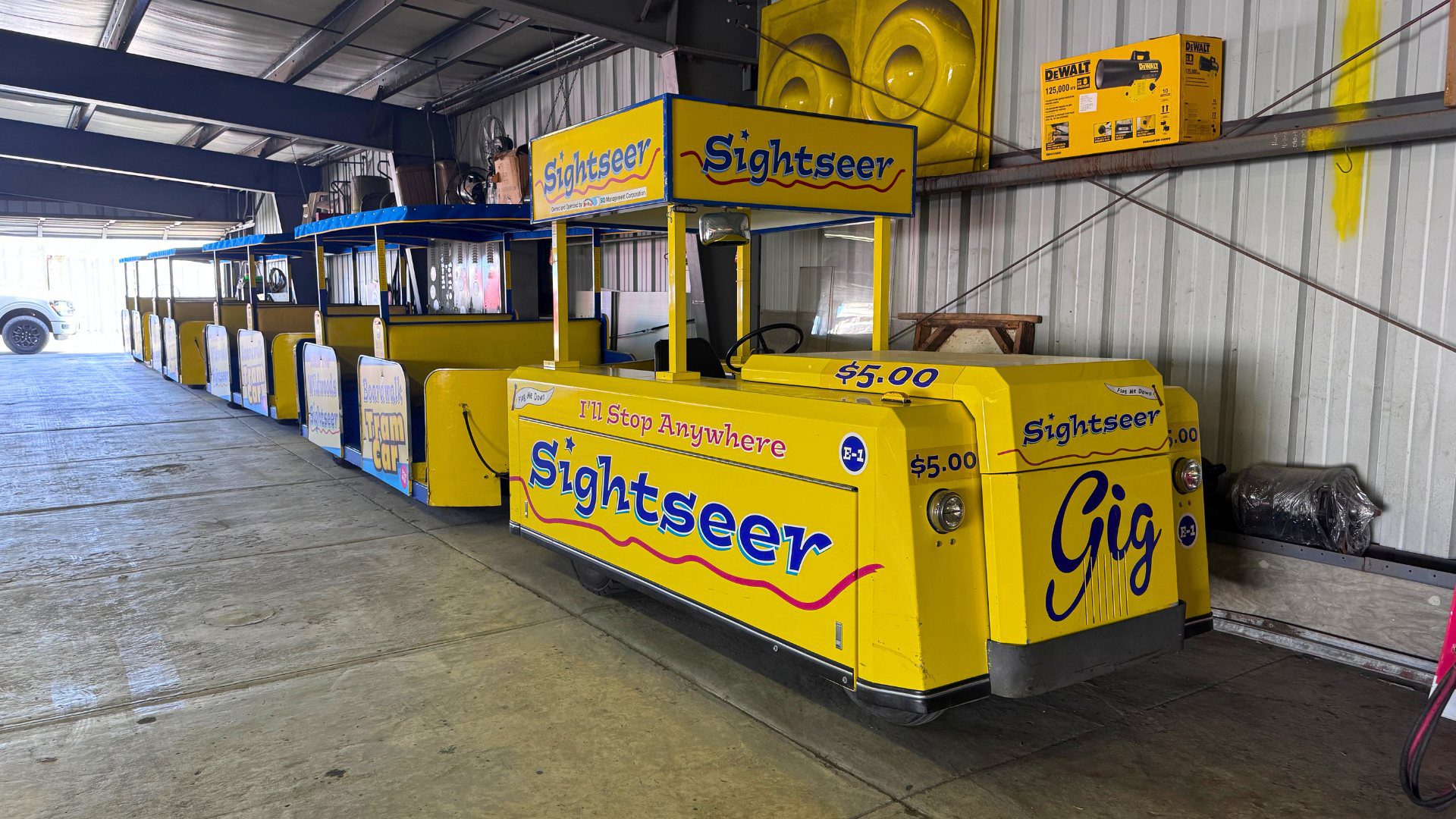 Every Detail Is Carefully Planned
Even seemingly simple additions require extensive planning.
When maintenance crews wanted to install storage baskets on the rear platforms, they first had to relocate signage promoting the tram car mobile app.
New hand grips for attendants were adapted from bicycle components to improve comfort during long shifts.
Vintage fire truck buttons were repurposed for passenger warning systems.
Nothing is added without considering operator visibility, passenger safety, and long-term maintenance.
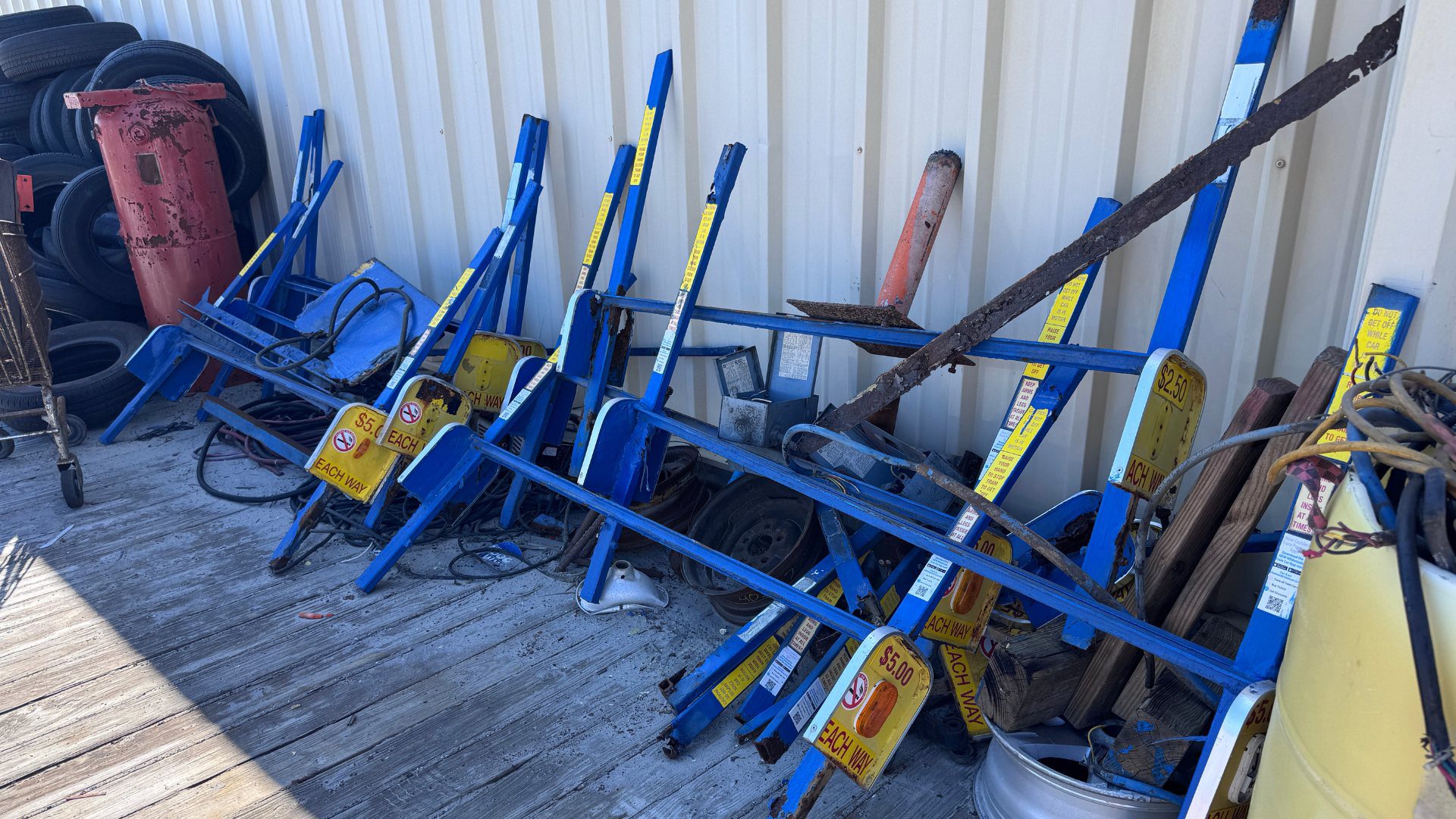 Keeping History Alive
Of the three retired tram cars, two have found new homes.
One has been donated to the Wildwood Museum on Pacific Avenue, while another now sits inside the Tramcar Store near Cresse Avenue as a reminder of the boardwalk’s history.
The third was dismantled after usable components were salvaged to help keep the remaining historic fleet operating.
Those salvaged parts will continue serving riders for years to come.
 More Than Just Transportation
The introduction of the new Volvo tram cars has sparked conversations among longtime visitors who grew up riding the originals.
But after spending time behind the scenes, it becomes clear that the story isn’t about replacing the past.
It’s about ensuring there will still be tram cars on the Wildwood Boardwalk for future generations.
Behind every ride is a team of mechanics, welders, electricians, and craftsmen who quietly dedicate countless hours to preserving one of the shore’s most beloved traditions.
The next time you hear “Watch the tram car, please,” remember that it represents more than a ride down the boardwalk.
It represents decades of history and the people working every day to make sure that history doesn’t disappear.
Before you watch the video below, please subscribe.